
 by
by 
50 Questions Every Property Buyer Should Ask in Kenya is not just a checklist—it is a lifeline in a market where due diligence can mean the difference between a dream home and a legal nightmare. The Kenyan real estate sector, while vibrant and growing, is also riddled with land disputes, fraudulent title deeds, and unverifiable claims. Whether you are a first-time buyer, an investor, or someone seeking a retirement plot, asking the right questions before signing any agreement is non-negotiable. This article breaks down 50 critical questions across five essential categories: legal, financial, physical, infrastructural, and transactional. By the end, you will be equipped to navigate Kenya’s property market with confidence and clarity.
Legal Due Diligence: The Foundation of Safe Buying
Before you fall in love with a view or a floor plan, you must first fall in love with the title deed. In Kenya, land law is governed by the Constitution, the Land Registration Act, and the Land Control Act—not by promises. Here are the legal questions that protect you from future litigation.
1. Do you have a valid Title Deed? Ask to see the original or an official search from the Ministry of Lands.
2. Who is the registered owner? Verify the name on the title matches the seller’s ID.
3. Are there any encumbrances on the land? This includes caveats, mortgages, or liens registered against the property.
4. Is the land classified as freehold or leasehold? If leasehold, what is the remaining term and who owns the reversionary interest?
5. Has the land been sub-divided properly? Unapproved subdivisions can lead to disputes or government repossession.
6. Is there a pending court case involving the land? Ask for a statement from the seller’s advocate.
7. Do you have a Land Control Board consent? Required for agricultural land transactions per the Land Control Act.
8. What is the land’s official survey plan number? Cross-check with the Survey of Kenya.
9. Are all rates and land rent up to date? Unpaid dues become your liability after purchase.
10. Is there a valid valuation report from a registered valuer? Essential for both pricing and financing.
Financial Questions: Know What You Are Paying For
The total cost of buying a property in Kenya often exceeds the advertised price. Hidden charges like stamp duty, legal fees, and agency commissions can add 10–15% to the final amount. Asking these financial questions will prevent budget blowouts.
11. What is the exact purchase price, inclusive of all taxes? Ask for a breakdown.
12. What is the stamp duty rate applicable? Typically 4% for land and 2% for apartments in urban areas.
13. Who pays for the conveyancing fees? Usually the buyer, but negotiate to include them in the purchase price.
14. Are there any administrative or registration fees? E.g., search fees, OTS (Offer to Sell) charges.
15. What financing options are available? If using a mortgage, ask about interest rates, repayment periods, and early settlement penalties.
16. Is there a penalty for early loan repayment? Some banks charge a fee if you clear the loan before the term ends.
17. What is the deposit structure? Typically 10–30% upon signing the sale agreement, with the balance upon completion.
18. Are there any hidden costs like service charge or ground rent? For apartments or gated communities.
19. What is the expected timeline for the transaction? Delays can increase holding costs.
20. Can I get a discount for cash payment? Many sellers offer 5–10% off for immediate, full payment.
Physical and Structural Questions: Look Beyond the Paint
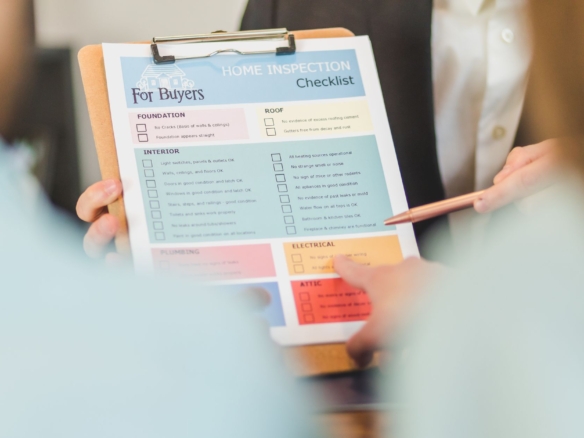
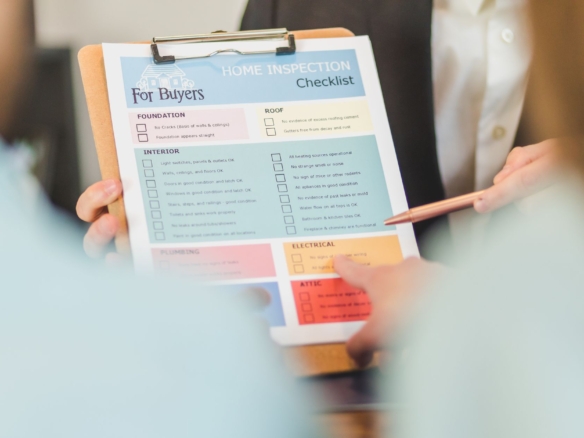
A beautiful façade can hide serious defects. In Kenya, where rapid construction sometimes prioritises speed over quality, inspecting the physical property is vital. These questions help you assess what you are actually buying.
21. When was the building constructed? Older buildings may need costly renovations.
22. Are there visible signs of moisture or cracks? Check ceilings, walls, and foundations.
23. What building materials were used? Concrete, stone, or wood? Ask about the quality.
24. Is the electrical wiring up to code? Old or faulty wiring poses fire risks.
25. Does the plumbing work properly? Turn on all taps and check for leaks.
26. Are there any termite or pest problems? Ask to see a pest control certificate.
27. Is the roof in good condition? Look for missing tiles or rust.
28. What is the quality of the finishes? Flooring, kitchen cabinets, and bathroom fittings.
29. Is there evidence of asbestos? Common in buildings constructed before 2000.
30. Does the property have a valid certificate of occupancy? Required for residential buildings.
Infrastructural Questions: Life Support for Your Property
A property is only as good as its surroundings and utilities. In Kenya, infrastructure can be unreliable, so asking these questions prevents daily frustrations.
31. Who is the water provider? Is it a county utility or a borehole?
32. Is the water supply consistent? Ask neighbours or check during peak hours.
33. Is the property connected to the national grid? Or does it rely on a generator or solar?
34. What is the average monthly electricity bill? Helps with budgeting.
35. Is there a functional sewerage system? Or does the property rely on a septic tank?
36. How often is the septic tank emptied? And who is responsible?
37. Is there reliable internet connectivity? Fibre optic or satellite?
38. What is the condition of the access road? All-weather or seasonal?
39. Are there public amenities nearby? Hospitals, schools, supermarkets, police stations.
40. Is the neighbourhood prone to flooding? Check the area’s drainage history.
Transactional Questions: Secure Your Investment
The final stage involves the actual legal transfer and payment. These questions ensure the process is transparent and secure.
41. Will the seller provide a valid tax compliance certificate? Required for any sale exceeding Ksh 1 million.
42. Do you have a written Sale Agreement? Insist on one drafted by an advocate.
43. Is the agreement legally binding? Have it reviewed by your lawyer.
44. Who holds the deposit money? Should be held in a stakeholder account, not paid directly to the seller.
45. What happens if the seller defaults? Clarify penalties and refund terms.
46. When will possession be handed over? After full payment or upon signing?
47. Are there any tenants on the property? If so, their rights continue under the Landlord and Tenant Act.
48. Can I assign the agreement to a third party? Useful if you want to flip the property.
49. Is the property insured? Ask about existing cover and transfer options.
50. Will the seller provide a letter of completion? Confirms all requirements are satisfied.
Bonus Question: Trust Your Gut, But Verify Everything
One final piece of advice: no question is too small. In Kenya’s property market, verbal promises are worthless—only written, legally verified documents matter. Visit the property multiple times, talk to neighbours, and hire a reputable advocate and surveyor. If something feels off, walk away. There is always another property.
Conclusion
Buying property in Kenya is an exciting journey, but it is also one fraught with risks. The 50 Questions Every Property Buyer Should Ask in Kenya serve as your personal playbook. From verifying the title deed to checking the plumbing, every question eliminates a potential mistake. The market rewards the prepared, not the impulsive. By asking these questions, you are not just protecting your money—you are securing your peace of mind, your family’s future, and your place in one of Africa’s most promising real estate landscapes. So print this list, take it with you, and ask every single question before you sign. Your future self will thank you.
Related Properties
Discover Prime Properties in Kenya’s Most Sought-After Locations
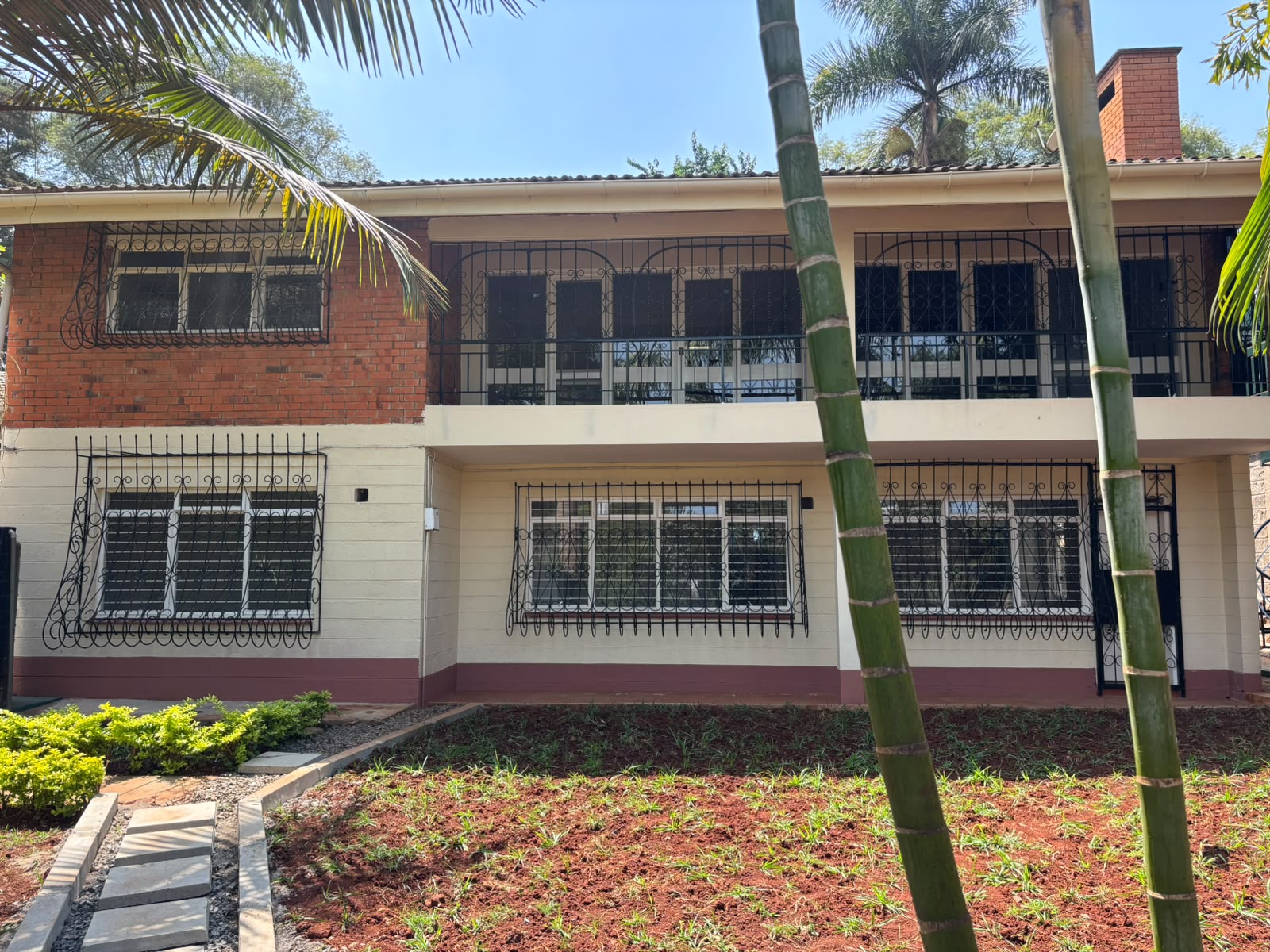

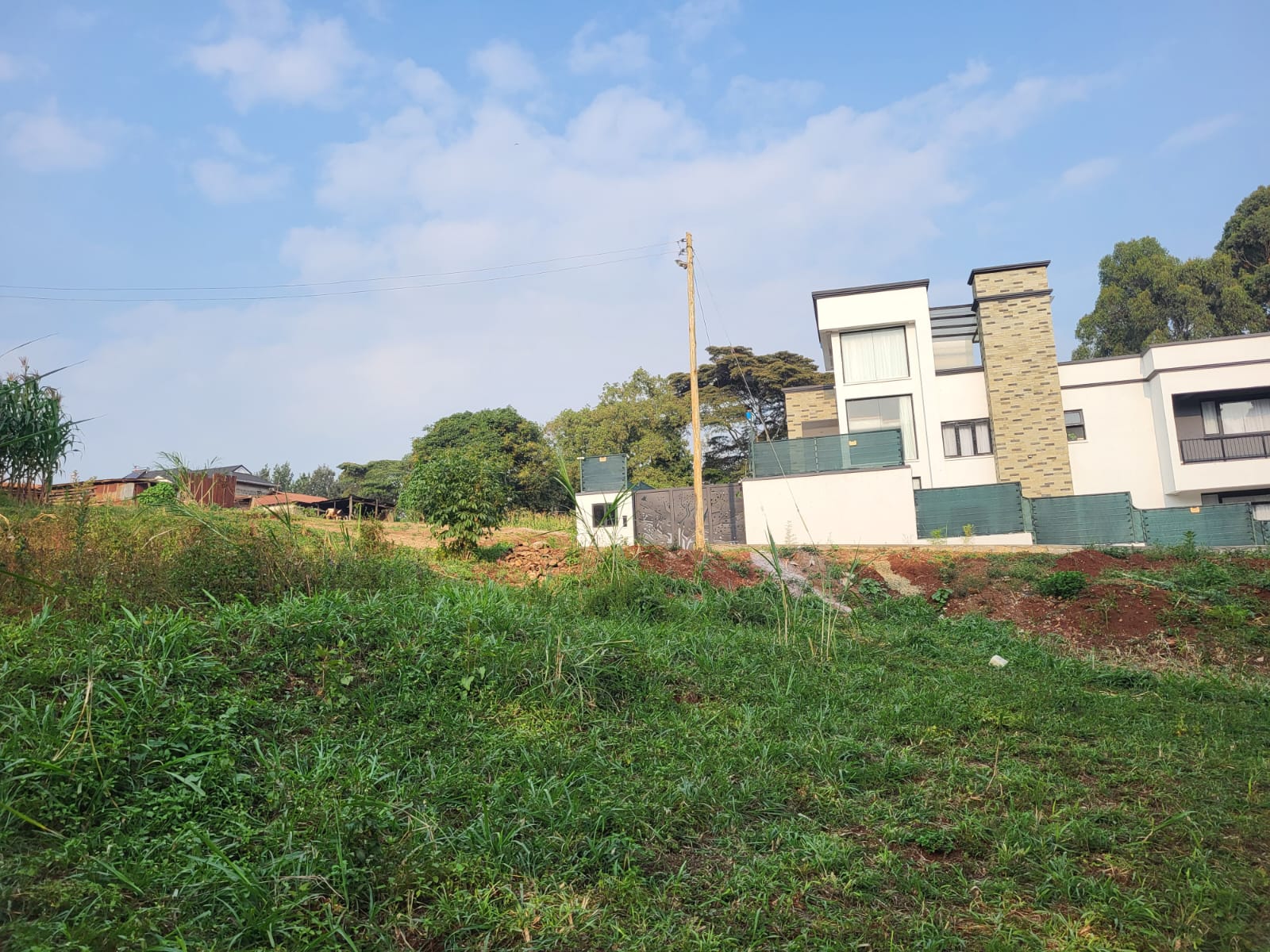
Showing Sample Prime Properties For Sale


Join The Discussion