
 by
by 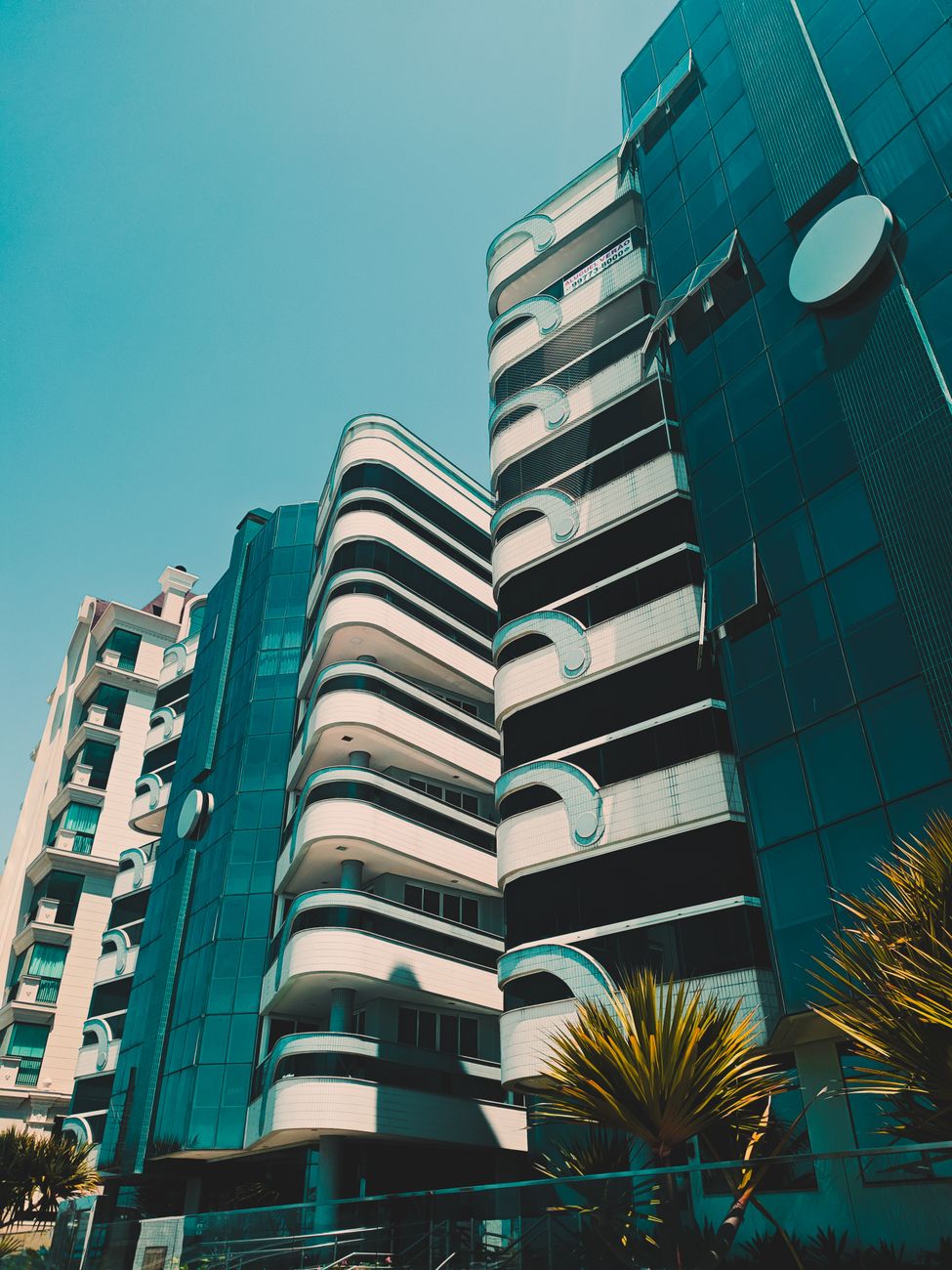
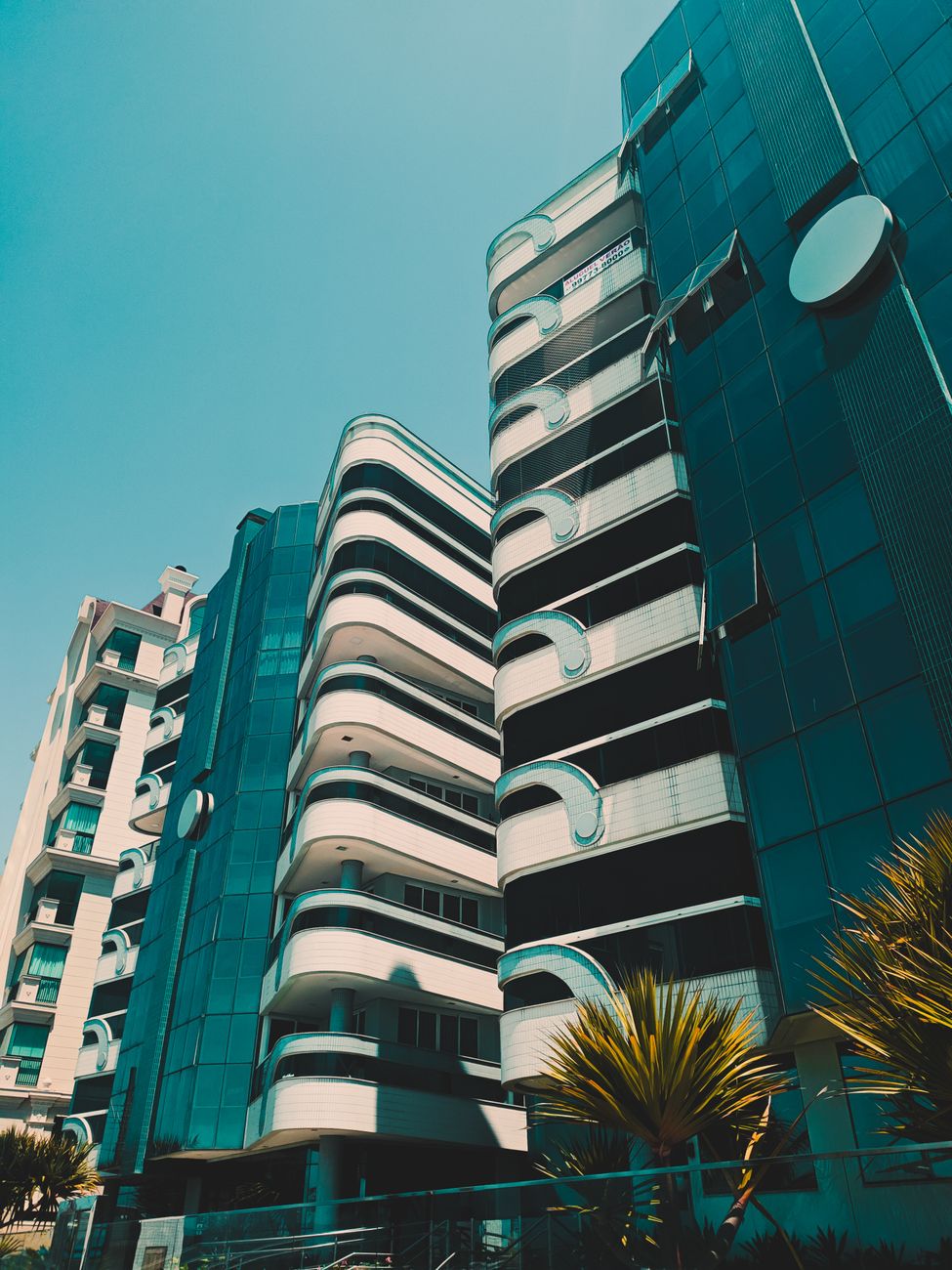
Residential & Offices in Westlands have experienced a notable divergence during the first half of 2026. While the office sector continues to grapple with the long-term effects of hybrid work, residential demand has surged, driven by a combination of population growth, infrastructure upgrades, and shifting lifestyle preferences. This mid-year analysis dissects the trends, challenges, and opportunities shaping Westlands’ dual property markets.
The Residential Boom: Supply Struggles to Meet Demand?
Westlands’ residential market has defied broader economic headwinds in 2026. The area, long favored for its proximity to the central business district, diplomatic missions, and the Nairobi National Park, is now seeing a renaissance in high-density and mid-market housing.
Key drivers include:
- New Infrastructure: The ongoing expansion of the Nairobi Expressway links and the completion of the Thika Road Superhighway upgrade have reduced commute times, making Westlands more accessible.
- Population Demographics: A surge in young professionals and international expatriates, attracted by the Karen and Spring Valley neighborhoods, has created a shortage of Residential & Offices hybrid spaces.
- Rental Growth: Average rental yields for two-bedroom apartments have risen by 8% year-on-year, while sales prices for townhouses in Karuna and Riverside have appreciated by 12%.
However, this growth is not without friction. Developers are struggling with rising construction costs (steel and cement are up 18% since 2025), leading to a critical undersupply of affordable units. The vacancy rate for prime residential properties has dropped below 3%, forcing tenants to accept higher rents or move to satellite towns like Ruaka.
The Office Market: A Polarized Landscape
The office sector in Westlands is a story of two worlds. Older, Grade-B buildings face alarming vacancy rates—exceeding 35%. In contrast, Residential & Offices mixed-use developments are thriving.
The flight to quality:
Tenants are prioritizing spaces that offer adaptability, wellness features, and robust digital infrastructure. For instance:
- Flexible Workspaces: WeWork and Regus have expanded their Westlands footprint, absorbing 40% of new office supply in Q2 2026.
- Hybrid Design: New projects like The Capital and Twin Towers integrate Residential & Offices seamlessly, with ground-floor retail, gyms, and coworking spaces that blur the line between living and working.
- Sustainability: LEED-certified buildings now command premiums of 15-20% in rent, as multinationals pressure landlords to reduce carbon footprints.
Despite this, the overall office vacancy rate remains high at 28%—a stark contrast to the residential market. Older buildings are being retrofitted into serviced apartments or accommodation rentals, a trend that is likely to accelerate.
The Convergence: Mixed-Use and the “Live-Work” Trend
The most significant development in 2026 is the convergence of Residential & Offices into unified precincts. Developments offer tenants the ability to walk from a luxury apartment to a shared office, grocery store, and gym within minutes. This model is not merely a convenience feature; it’s a strategic response to the fragmentation caused by hybrid work.
Advantages for investors:
- Diversified Income: Developers can hedge against volatility—if office demand dips, residential units provide cash flow.
- Higher Occupancy: Tenant retention increases when residents can work locally. One developer reported a 90% renewal rate in its mixed-use complex versus 55% in its standalone office block.
- Land Use Efficiency: With land in Westlands now costing upwards of Ksh 150,000 per square meter, maximizing vertical and horizontal integration is essential.
Challenges on the Horizon
Both sectors face headwinds. The Residential & Offices market is not immune to regulatory shifts. The Nairobi City County’s new development guidelines, introduced in March 2026, mandate higher parking ratios and green spaces, slowing project approvals. Additionally, interest rates remain high (Central Bank Rate at 12.5%), making mortgage financing for buyers and construction loans for developers costly.
For offices, the “right-sizing” trend continue. Large banks and legal firms are downsizing from 10,000 sq ft to 6,000 sq ft, prioritizing utilization over volume. This creates a glut of unused space that landlords must repurpose.
Investment Outlook for H2 2026
Investors should adopt a selective strategy:
- Buy: Prime residential units in low-density zones (Karuna, Spring Valley) and converted office-to-residential projects with Residential & Offices functionality.
- Sell: Grade-B office assets without flex potential or mixed-use integration.
- Hold: Mixed-use developments with strong brand tenants, especially those tied to the tech and creative sectors.
Developers must shift from “build and lease” to “build and operate” models, retaining control of common areas to foster community. The success of Residential & Offices projects in 2026 will hinge on how well they integrate amenities, sustainability, and flexibility.
Conclusion
The Westlands property market in 2026 is not a monolith. While residential demand is robust, the office sector is undergoing a painful but necessary transformation. The thread connecting both is the Residential & Offices hybrid model, which offers a blueprint for resilience. Stakeholders who embrace this convergence—investing in adaptable, people-centric spaces—will navigate the mid-year turbulence and emerge stronger. As the second half of 2026 unfolds, the market’s direction will be determined not by what buildings are made of, but by how well they serve the evolving needs of those who live, work, and play in Westlands.
Related Properties
Discover Prime Properties in Kenya’s Most Sought-After Locations



Join The Discussion