
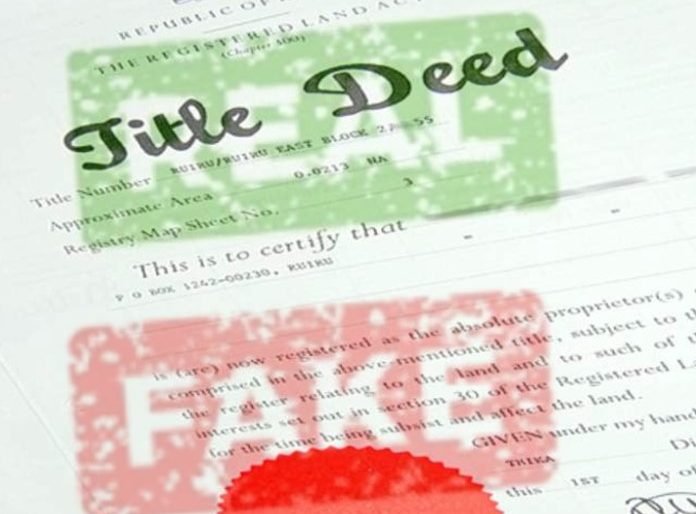
Kenya’s title deeds from hell are not a myth reserved for late-night conspiracy theories; they represent a stark and present danger threatening the financial security and peace of mind of countless citizens. While the nation prides itself on economic growth and ambitious infrastructure projects, a parallel underground economy thrives on forged documents, stolen identities, and systemic corruption. For the average investor, the dream of owning a piece of the “Kenyan Dream” can rapidly devolve into a legal quagmire involving land that was never legally available. The stories are all too familiar: a family discovers their ancestral land has been sold to three different people, or a young professional realizes the apartment they paid for in cash does not exist. This article exposes the mechanisms of this crisis, moving beyond the surface-level warnings to understand exactly how these fraudulent schemes operate, who profits from them, and, most importantly, how you can avoid becoming the next victim in this elaborate shell game.
The Anatomy of a Forged Title: How the Scam Begins
The foundation of every fraudulent claim lies in the alteration of physical or digital records. We are not speaking of simple photocopies here; modern forgers in Kenya have mastered the art of replicating security features, watermarks, and official stamps. The process often begins with an inside job—a collusion between a cartel member and a low-level official at the Lands Office who can provide a blank certificate of title. Once acquired, this blank document is filled in with the details of a piece of land that is either government-owned, already sold, or belonging to a deceased person whose succession has not been processed.
In many cases, the forger will tamper with the registry index map (RIM), altering boundary lines to include extra acreage. This level of sophistication makes it nearly impossible for a layman to distinguish a fake deed from a genuine one without a formal search, and even then, the corrupted system may show a clean record for a fraudulent title. The sheer audacity of these operations is staggering; some cartels have been known to forge entire land-buying companies, complete with letterheads, logos, and physical offices that operate for months before disappearing overnight.
Identity Theft: The Impersonation Nightmare for Property Owners
Beyond the creation of fake documents, there is the chilling reality of identity theft. Fraudsters do not always need to invent a new title; sometimes, they simply steal yours. Through bribery at the registration office, criminals can obtain the personal details of landowners—names, ID numbers, and KRA pins—and use these to create forged identification documents. With a fake ID that matches the original owner’s name, the fraudster can appear at a bank or a lands office and initiate a transfer of the property.
The real owner may only discover the theft months later when they attempt to sell their land and find it has already been transferred, subdivided, and sold to three different buyers. This form of attack is particularly devastating because it bypasses the need to create a new title from scratch; it legalizes the theft by using the victim’s own identity against them. Furthermore, the impersonation game often involves accomplices who pose as the buyer and the seller simultaneously, creating a false sense of legitimacy during the transaction process.
The Web of Corruption: Facilitating the Fraud
The rampant forgery we are seeing is not happening in a vacuum; it is lubricated by a deep-seated culture of corruption within public offices. For a few thousand shillings, a clerk might lose a file, allowing a fraudster to insert a conflicting document. For a larger bribe, a surveyor might sign off on a map that does not reflect the actual physical ground. This unholy alliance between cartels and government employees is the primary reason why these scams persist.
It is a systemic failure where the institutions meant to protect landowners are, in fact, the ones processing the fraudulent transfers. Consequently, genuine buyers who conduct all the proper due diligence—paying for a search at the lands office—are still duped because the officials handling their search are complicit in the scheme, providing a good report for a land that is destined for legal challenges. The culture of impunity is so entrenched that whistleblowers rarely come forward, fearing retaliation or losing their jobs.
Fraudulent Land Subdivisions and Fictitious Developers
The crisis extends into the real estate development sector, where we see the rise of fictitious developers preying on the aspiration for homeownership. These fraudsters advertise beautiful apartment blocks or gated communities on social media, complete with architectural renders and marketing brochures. They show potential buyers a physical piece of land, but the title they present is either a forgery or belongs to a different parcel entirely.
They take deposits, sign sale agreements, and even begin construction of foundations to show progress. However, once the payments are complete, these developers vanish, leaving behind half-dug holes and piles of paperwork that are entirely worthless. Similarly, the subdivision scam involves taking a legitimate title, forging a mutation form to subdivide it into ten smaller plots, and selling title deeds for those plots—none of which actually exist in the official registry. This tactic is especially cruel because it targets ordinary Kenyans saving for their first home, often convincing them to pool resources with relatives to secure a “great deal.”
Inadequate Safeguards and the Legal Battleground
Even when a victim discovers they have been swindled, the path to justice is arduous. The Kenyan legal system is often slow, and the onus of proof rests heavily on the victim. Recovering a property from a bona fide purchaser—someone who bought the stolen land without knowing it was fake—is extremely difficult. The courts are clogged with land disputes, and the cases can take decades to resolve.
The caveat system, designed to protect interests, is often abused by fraudsters to place illegal caveats on genuine properties to block legitimate transactions while they orchestrate their scheme. These inadequate safeguards and the judicial backlog mean that many victims choose to settle for pennies on the dollar rather than pursue years of litigation, perpetuating a cycle where crime pays. This lack of deterrence emboldens more fraudsters, creating a vicious cycle that shows no signs of slowing down without intervention.
Restoring Trust: The Way Forward for Buyers and the Nation
To restore integrity in the property market, the government must implement a robust digital land registry system that is tamper-proof. The current push towards digitization must be accelerated, with blockchain technology used to create an immutable record of ownership. For the individual buyer, the way forward requires a paradigm shift in mindset. Do not rely solely on the title deed provided by the seller. Physically visit the land, speak to the neighbors, and hire an independent private surveyor to verify the boundaries.
Most critically, conduct an official search with the Ministry of Lands—and do not let the seller or their agent handle the process. You must go with your own lawyer to the registry to confirm the authenticity of the title and ensure the seller is the registered owner. Furthermore, buyers should insist on conducting transactions through a reliable escrow service rather than direct cash payments. Once the money is handed over, it is gone.
The government must also come down hard on the corrupt officials, creating a specialized prosecution unit to handle land fraud cases quickly and publicly to serve as a deterrent. Finally, the public must be educated on the red flags: deals that are too good to be true, sellers demanding cash-only transactions, and title deeds with misspelled names or missing serial numbers. The dark underbelly of Kenya’s property market is a serious threat, but it is not invincible. By demanding accountability, embracing transparent technology, and personally verifying every document, we can starve the fraudsters of their oxygen. The integrity of our land system is not just a matter of property; it is a matter of national trust. It is time to ensure that the only hell associated with Kenyan land is the traffic on Waiyaki Way, not the title in your hands.

Last updated:
