

Thika Real Estate and Its Surrounding Areas: Understanding the New Opportunities in Kenya’s Property Market
Kenya’s real estate market is increasingly being shaped by the expansion of established towns, changing patterns of investment and the growing need for strategically located residential, commercial, industrial and agricultural properties. As Nairobi’s property market becomes increasingly competitive, investors are looking beyond the capital in search of locations offering viable land acquisition opportunities, development potential and sustainable demand for different property uses.
Thika stands out as one of the established urban and economic centres attracting this interest. Its significance extends beyond its proximity to Nairobi. The town has a well-established industrial base, a substantial commercial sector, an agricultural hinterland and an expanding residential market. These characteristics have created a diverse property environment in which demand is influenced by manufacturing, trade, employment, education, population growth and regional connectivity.
Its surrounding areas, including Juja, Ruiru, Kenol, Gatuanyaga, Ngoliba and other parts of the wider central Kenya region, add further dimensions to this market. Each location has distinct economic characteristics, development patterns and property investment considerations.
Understanding the emerging opportunities therefore requires looking beyond the general expansion of Thika to examine the different forces shaping demand for land, housing, commercial premises, industrial facilities and agricultural property.
Thika: An Established Economic Centre with Expanding Real Estate Potential
Thika’s position as an industrial and commercial centre provides an important foundation for its real estate market. The town hosts a considerable concentration of manufacturing and agro-processing activities, including food processing, textiles, packaging, motor vehicle assembly, chemicals and other industrial operations. Its agricultural connections are equally significant, particularly in the processing and distribution of horticultural produce, pineapples, coffee, macadamia nuts and other agricultural products.
These economic activities have a direct relationship with property demand. Manufacturing establishments require factory premises, warehouses, distribution facilities, storage yards and supporting commercial accommodation. The businesses and workforce associated with these industries also contribute to demand for residential housing, retail premises, hospitality facilities and other service-oriented properties.
Thika’s commercial importance is further reinforced by its role as a regional trading centre serving neighbouring settlements and parts of Murang’a, Kiambu and other surrounding counties. This creates a market for commercial property beyond the immediate requirements of its residential population.
Consequently, Thika offers an investment environment that accommodates different property categories. Investors can explore residential developments, commercial buildings, industrial premises, institutional facilities and land suitable for agricultural or mixed-use developments, depending on location and applicable planning provisions.
Residential Property: Expanding Opportunities Across Established and Emerging Neighbourhoods
Residential real estate remains an important component of Thika’s property market, supported by its industrial employment base, educational institutions, commercial activities and growing population.
The town has an established residential structure comprising older neighbourhoods, planned residential estates, individual family homes, apartments and newer housing developments. Areas such as Makongeni, Ngoingwa, Section 9, Kiganjo, Kamenu and Landless accommodate different housing preferences and price categories.
Within these neighbourhoods, opportunities exist for the development and acquisition of apartments, maisonettes, bungalows, townhouses and gated residential properties. The demand for rental accommodation also provides an important consideration for investors seeking income-generating properties.
However, residential investment opportunities are not uniform across the town. Established neighbourhoods may offer advantages associated with existing social amenities, commercial facilities and developed infrastructure, while expanding residential locations may provide opportunities for new housing projects and land acquisition. The suitability of each location depends on accessibility, infrastructure, household purchasing power, competing housing supply and the type of accommodation being introduced.
Thika’s residential market should also be examined in relation to the wider Nairobi metropolitan growth corridor. The increasing interaction between employment locations, educational institutions and residential settlements means that housing demand is no longer confined to the immediate urban centre.
This creates opportunities for developers to consider different residential formats, including affordable housing, middle-income family homes, rental apartments and higher-end residential developments. Successful projects will increasingly depend on aligning development specifications with the purchasing and rental capacity of their intended markets.
Juja: Education, Commerce and Residential Development Creating Diverse Opportunities
Juja has developed into an important property market in the wider Thika corridor, with its growth influenced by educational institutions, commercial activities, residential settlement and its strategic position along the Thika Superhighway.
The presence of Jomo Kenyatta University of Agriculture and Technology, together with other educational and training institutions, has contributed to demand for student accommodation, rental apartments, retail premises, food outlets, entertainment facilities and other supporting businesses.
However, Juja’s property market is considerably broader than student housing. The growth of permanent residential communities, family settlements, commercial establishments and businesses serving the wider population has created demand for different types of real estate.
Juja town and its surrounding neighbourhoods, including Juja Farm, Kalimoni and areas extending towards Theta, present varying property characteristics. Some locations are characterised by established residential and commercial developments, while others retain substantial parcels of undeveloped or agricultural land undergoing gradual subdivision and urbanisation.
This creates opportunities for residential developers, land investors, commercial property owners and businesses seeking suitable premises. The expansion of neighbourhood retail centres, convenience shopping facilities, healthcare establishments and other services also provides scope for investment in commercial property.
For land investors, the distinction between established urban areas and locations undergoing transition is particularly important. Acquisition decisions should take into account existing access roads, water and electricity availability, drainage, land-use provisions and the feasibility of the intended development.
Ruiru and the Wider Nairobi–Thika Corridor: Residential, Commercial and Mixed-Use Developments
Ruiru occupies a significant position within the wider property market connecting Nairobi, Thika and other parts of Kiambu County. Its growth has been influenced by metropolitan expansion, industrial activity, improved road connectivity and increasing residential settlement.
The town has attracted substantial residential development, ranging from apartments and maisonettes to gated communities, townhouses and larger residential schemes. Areas such as Membley, Kamakis, Kimbo, Toll and surrounding neighbourhoods exhibit different development characteristics and investment profiles.
The growth of residential communities has supported demand for commercial property, including shopping centres, retail outlets, offices, restaurants, healthcare facilities and other neighbourhood services. Industrial and logistics-related activities also contribute to the demand for warehouses, storage facilities and suitable commercial land in selected locations.
An important investment consideration in Ruiru is the relationship between residential expansion and supporting infrastructure. As new developments increase the population of individual neighbourhoods, demand for schools, healthcare facilities, shopping facilities, recreational amenities and transport services also increases.
For developers, this creates opportunities to consider integrated and mixed-use developments that respond to the needs of established and emerging residential communities. For investors, however, the location and accessibility of individual properties remain important determinants of their commercial viability.
Although Ruiru and Thika are interconnected through the wider metropolitan property market, they should be assessed independently. Their property values, development patterns, tenant profiles and investment considerations are not necessarily identical.
Kenol and the Kenol–Sagana–Marua Corridor: Emerging Opportunities in Regional Property Investment
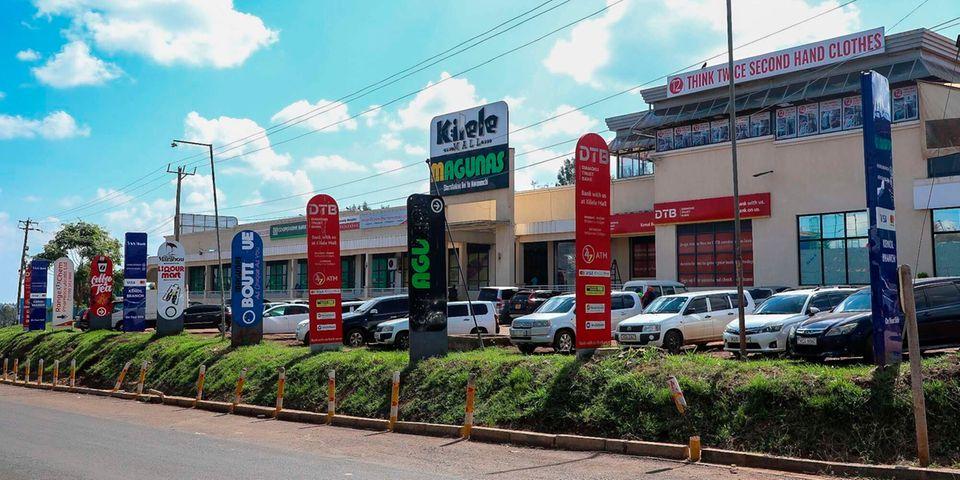
Kenol is an important location to consider when examining the changing real estate landscape around Thika and the wider central Kenya region. Strategically positioned along the Nairobi–Nyeri highway, the town serves as a commercial and transport connection between Kiambu, Murang’a, Kirinyaga and other parts of the Mount Kenya region.
Its commercial significance is supported by trade, agricultural activity, transport services and businesses serving surrounding settlements. The town’s position within a productive agricultural region also contributes to demand for trading premises, storage facilities, produce-handling facilities and other commercial properties.
A particularly significant development for the wider region is the completion of the Kenol–Sagana–Marua dual carriageway. The upgraded road corridor improves connectivity towards Sagana, Karatina, Nyeri and other parts of central Kenya, strengthening the movement of people, agricultural produce and commercial goods.
The infrastructure improvement adds an important dimension to the region’s property investment potential. Commercial property opportunities include retail premises, shopping centres, hospitality establishments, service stations and businesses catering to motorists, traders and surrounding communities. Improved regional connectivity may also support demand for logistics facilities, warehouses, storage premises and distribution-oriented developments, subject to appropriate site characteristics and planning provisions.
The surrounding areas offer additional opportunities for agricultural land acquisition, horticultural production, livestock enterprises and agricultural processing. Improved access to markets is particularly relevant for land-based businesses whose operations depend on the efficient movement of agricultural produce.
Residential developments may equally benefit from increased economic activity and improved accessibility. However, their viability will depend on local population demand, employment opportunities, access to social amenities and the availability of supporting infrastructure.
For land investors, Kenol and its surrounding settlements warrant consideration beyond the traditional approach of acquiring land solely in anticipation of future price appreciation. Parcels with suitable access, appropriate land-use provisions and proximity to established commercial activity may offer opportunities for retail, hospitality, industrial, institutional and residential development.
The improved corridor should therefore be viewed as an important regional economic connection with implications for property demand beyond the immediate road frontage. It is also important to distinguish the completed Kenol–Sagana–Marua upgrade from the separate Thika–Kenol road section when assessing accessibility and infrastructure conditions.
Commercial and Industrial Real Estate: Opportunities Supported by Economic Activity
One of the distinguishing characteristics of Thika’s real estate market is the importance of commercial and industrial property.
Unlike locations whose property demand is predominantly driven by residential expansion, Thika has an established business environment that supports a range of income-generating and operational property uses.
The central business district and its surrounding commercial areas provide opportunities for retail premises, office buildings, banking facilities, hospitality establishments, professional services and other business accommodation. Commercial properties benefit from their proximity to established trading activities, transport routes and the surrounding residential population.
Industrial property presents a separate investment opportunity. Thika’s manufacturing and agro-processing base creates demand for factories, warehouses, industrial yards, workshops and distribution facilities. Businesses involved in production, storage and transportation require properties with appropriate access, utility provisions, functional layouts and sufficient operational space.
The wider corridor towards Ruiru, Juja and Kenol also provides opportunities for commercial and industrial development, although individual sites must be assessed according to their accessibility, surrounding land uses and suitability for the intended activities.
For investors considering this segment, attention should be directed towards the economic activities supporting demand rather than relying exclusively on the anticipated appreciation of property values. The location of manufacturing establishments, distribution networks, customer markets and supporting businesses can significantly influence the suitability of commercial and industrial properties.
Agricultural Land and Emerging Development Areas: Opportunities Beyond the Urban Centre
The real estate investment landscape around Thika extends into areas that retain substantial agricultural activity and larger parcels of undeveloped land.
Gatuanyaga and Ngoliba are important examples within the wider Thika Municipality. Their property markets differ from those of the established urban neighbourhoods, with agricultural activities, rural settlements and land-based enterprises remaining significant.
These areas provide opportunities for agricultural land acquisition, horticultural production, livestock farming, agro-processing and other land-based investments. Their potential is influenced by soil characteristics, water availability, access to markets, topography, parcel sizes and the suitability of the land for the intended agricultural activity.
At the same time, the gradual expansion of settlement and commercial activity creates opportunities for selected residential and neighbourhood commercial developments. However, agricultural land should not automatically be regarded as development land simply because urban expansion is taking place nearby. Applicable planning provisions, land-use restrictions and the availability of supporting infrastructure must be established before acquisition.
Other locations within the wider Thika hinterland and towards neighbouring parts of Murang’a and Gatundu also present opportunities for investors seeking larger land parcels. Depending on their characteristics, such properties may be suitable for agricultural enterprises, institutional developments, rural residential projects or other permitted uses.
The distinction between agricultural investment and speculative land acquisition is particularly important. Land with an established productive use may offer a different investment proposition from land whose value depends primarily on anticipated future urban development.
Infrastructure, Accessibility and the Changing Development Landscape
Infrastructure remains an important consideration in determining the attractiveness and development potential of property around Thika and its surrounding areas.
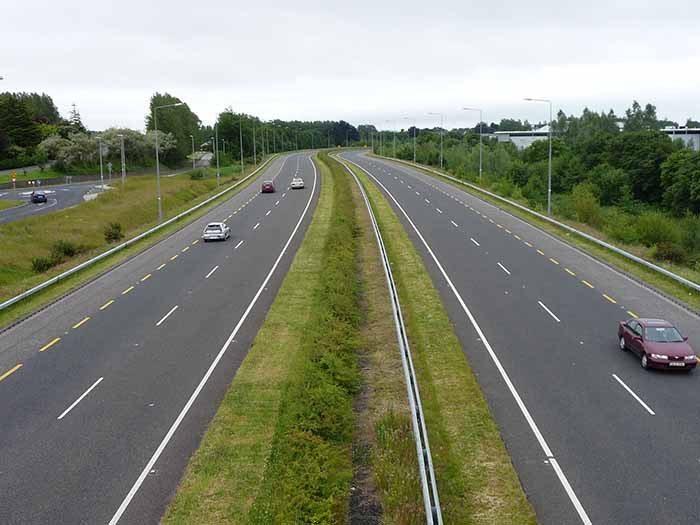
The town benefits from the Thika Superhighway, which provides a major connection to Nairobi and the wider northern and central Kenya transport network. Other roads link Thika to Murang’a, Garissa, Gatundu and surrounding settlements, supporting the movement of people, agricultural produce, manufactured goods and commercial traffic.
The railway connection also contributes to the town’s wider transport significance. Meanwhile, improvements to local roads, markets and supporting infrastructure are relevant to the accessibility and functionality of individual neighbourhoods.
The Kenol–Sagana–Marua dual carriageway is particularly significant in the context of regional connectivity. By improving access towards central Kenya, it strengthens the relationship between commercial centres, agricultural production areas and regional markets. Its potential property-market implications extend to hospitality, retail, logistics, warehousing and selected residential developments.
Within Thika, infrastructure improvements and urban development initiatives are important in addressing the needs of an expanding population and supporting commercial activity. Areas such as Ngoingwa, Kiganjo, Gatuanyaga and Ngoliba have different infrastructure and service requirements, reflecting their respective settlement patterns and economic activities.
For the property market, the implications extend beyond improved movement. Better accessibility can support the establishment of commercial premises, improve the attractiveness of residential locations and strengthen connections between production areas and consumer markets.
Nevertheless, infrastructure should be evaluated based on its actual availability, implementation status and proximity to the subject property. Proposed projects and anticipated improvements should not be treated as completed infrastructure when assessing current market value or development feasibility.
What Should Investors Consider When Exploring Thika’s Property Market?
The diversity of the Thika and surrounding property markets presents opportunities, but it also requires careful evaluation. Investors should avoid approaching the entire region as a single market because property demand, values and development potential vary considerably between locations and property categories.
For residential investments, considerations include household affordability, achievable rental levels, competing developments, occupancy prospects and access to social amenities.
For commercial and industrial properties, the assessment should extend to the nature of surrounding economic activities, customer accessibility, operational requirements, rental demand and the suitability of the premises for the intended business use.
Land acquisition requires particular attention to ownership documentation, title verification, boundaries, access, zoning, permitted land use, physical characteristics and the availability of utilities. Where development is intended, feasibility should be established before committing substantial capital.
For properties along major transport corridors, investors should also distinguish between direct highway frontage, access through connecting roads and locations that benefit from wider economic activity without necessarily having immediate road exposure. These differences can materially affect the suitability and value of individual properties.
Professional property valuation is important in determining market value, assessing rental levels, supporting financing decisions and establishing appropriate acquisition or disposal prices. This is particularly relevant in locations experiencing rapid subdivision, changing land uses and variations in development intensity.
Conclusion: A Diverse Property Market with Opportunities Across Different Investment Categories
Thika and its surrounding areas offer a diverse real estate investment environment supported by established economic activities, expanding residential settlements, commercial growth, improved regional connectivity and agricultural potential.
Thika’s industrial and commercial foundation distinguishes it from many other satellite towns, while Juja’s educational and residential activities and Ruiru’s expanding metropolitan development provide additional opportunities across the wider Nairobi–Thika corridor. Kenol introduces another important investment dimension through its commercial position and improved connectivity towards Sagana, Marua, Karatina and other parts of central Kenya. Meanwhile, Gatuanyaga, Ngoliba and other surrounding areas present opportunities centred on agriculture, larger land parcels and emerging settlement patterns.
The opportunities are therefore not confined to residential housing or speculative land purchases. Commercial buildings, industrial premises, warehouses, rental properties, institutional facilities, agricultural holdings and development land all form part of the region’s broader real estate landscape.
For investors and developers, the most important consideration is identifying properties whose location, physical characteristics, permitted use and market demand are aligned with the intended investment objectives.