

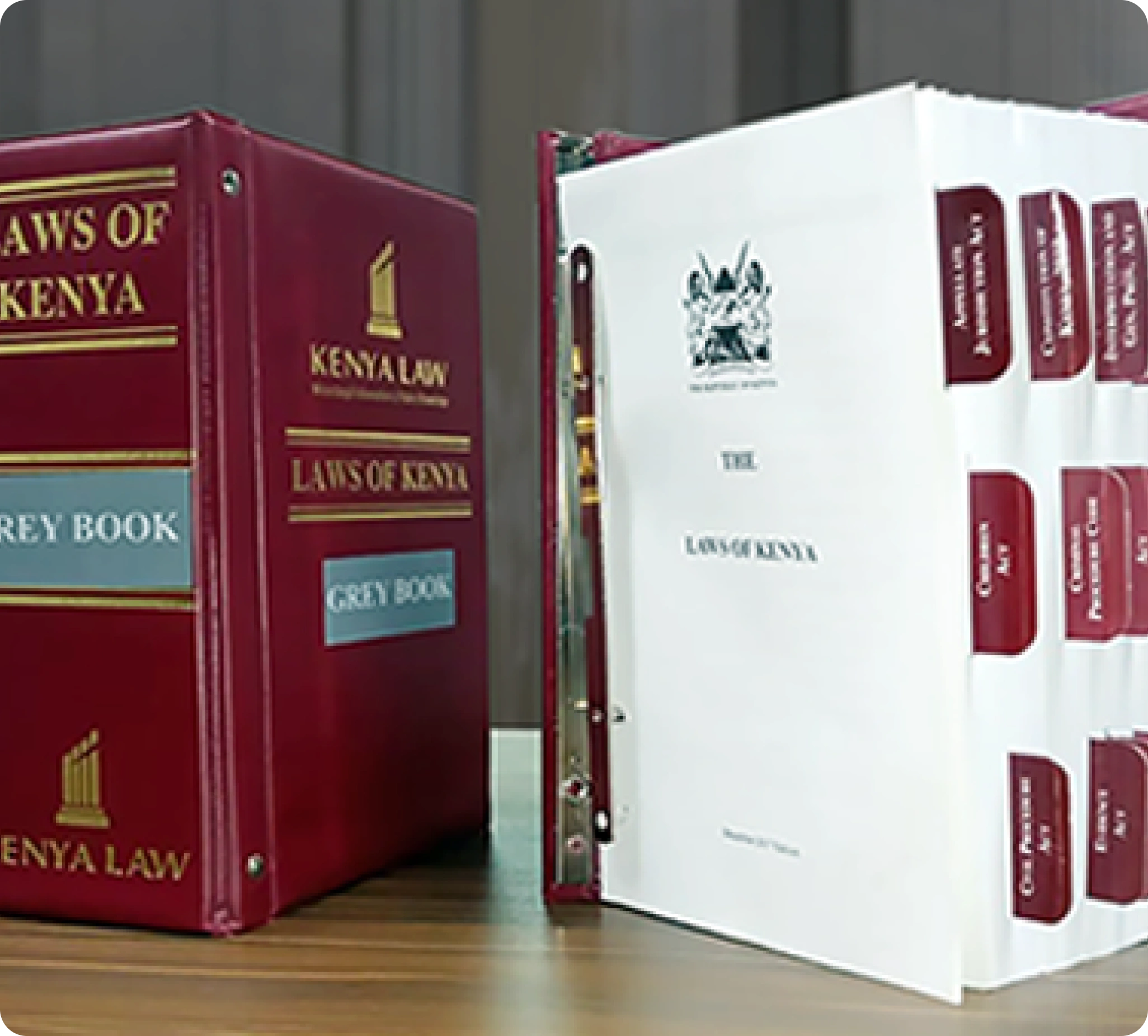
Understanding the Valuers Act Cap 532 is essential for anyone involved in property valuation in Kenya, whether as a practicing valuer, a property owner, a lender, or an investor relying on valuation reports. The Act provides the legal foundation for the registration, regulation, and professional conduct of valuers in the country. Moreover, it shapes how valuation services are delivered across sectors such as real estate, banking, insurance, and public land management. This article breaks down the key provisions of the law, the registration process, the regulations that govern practice, and the professional standards expected of registered valuers.
Valuers Act Cap 532: The Legal Framework Governing Valuers in Kenya
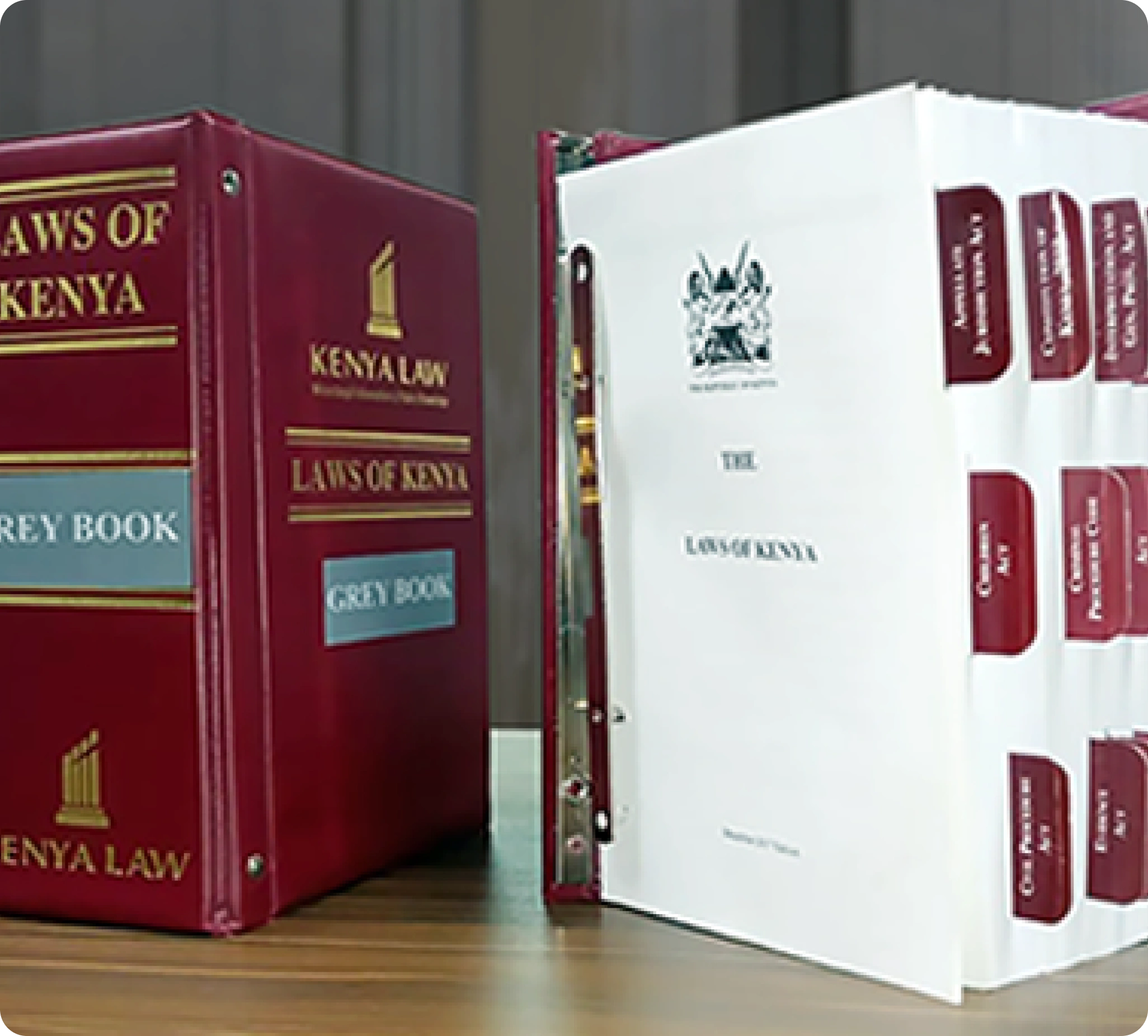
The Valuers Act Cap 532 of the Laws of Kenya is the principal statute regulating the valuation profession. It establishes the Valuers Registration Board, the body charged with registering qualified valuers and overseeing discipline within the profession. In addition, the Act defines who may call themselves a valuer and sets out the qualifications required for registration. It also provides the legal basis for subsidiary legislation that governs practice.
The Act operates alongside other laws that affect valuation work, including the Land Registration Act, the Land Act, the Physical and Land Use Planning Act, and various banking and financial regulations that require valuations for lending purposes. Together, these laws create a framework in which valuers must operate with technical competence, independence, and accountability.
Valuers Act Cap 532: The Valuers Registration Board and Its Functions
The Valuers Registration Board is central to the administration of the Act. Its mandate includes:
- Registration of valuers who meet the prescribed academic and professional requirements
- Maintenance of the register of duly registered valuers
- Disciplinary control over registered valuers, including investigation of complaints and imposition of sanctions
- Advising the government on matters relating to the valuation profession
- Promoting professional standards and ethical conduct among valuers
The Board’s regulatory role ensures that only qualified and competent persons offer valuation services to the public. As a result, it protects consumers and maintains confidence in the profession.
Registration Requirements Under the Valuers Act Cap 532
Registration is the gateway to lawful practice as a valuer in Kenya. The Act and its attendant regulations set out the qualifications and procedures for registration. Applicants generally need to demonstrate:
- Academic qualifications in land economics, real estate, or a related field from a recognized institution
- Practical experience under the supervision of a registered valuer
- Membership or accreditation with a recognized professional body, such as the Institution of Surveyors of Kenya (ISK)
- Good professional standing, including compliance with ethical requirements
Once registered, a valuer receives a certificate and an entry in the register. Registration is subject to renewal, and continuing professional development is increasingly emphasized as a condition for maintaining good standing. Unregistered persons are prohibited from holding themselves out as valuers or from preparing valuations for purposes that legally require a registered valuer.
Regulations and Subsidiary Legislation
The Valuers Act empowers the relevant minister and the Board to make regulations for the better carrying out of the Act’s purposes. These regulations address matters such as:
- The form and content of the register
- Procedures for registration and renewal
- Fees payable for registration, renewal, and other services
- Disciplinary procedures and the conduct of inquiries
- Standards for valuation reports and professional practice
Subsidiary legislation gives the Act operational detail, ensuring that registration and disciplinary processes are transparent and consistently applied. Valuers should stay informed of any amendments to the Act and regulations, as these can affect licensing, reporting obligations, and professional conduct requirements.
Professional Practice and Ethical Standards
Registered valuers in Kenya are expected to uphold high standards of professional practice. Key expectations include:
Independence and objectivity. A valuer must provide opinions of value that are impartial and free from influence by clients, lenders, or other parties with a financial interest in the outcome.
Competence and due care. Valuations must rest on sound methodology, reliable data, and appropriate inspection of the property. Valuers should only accept instructions within their area of competence.
Confidentiality. Client information and valuation reports should be treated with appropriate confidentiality, subject to legal requirements and the Board’s oversight.
Compliance with reporting standards. Valuation reports should be clear, well-supported, and compliant with the standards expected by the Board and by institutions such as banks that rely on valuations for lending decisions.
Continuing professional development. Valuers are encouraged and, in practice, required to keep their knowledge current through training, seminars, and updates on law and market conditions.
Breaches of these standards can lead to disciplinary action by the Board, including suspension or removal from the register. Consequently, the Act treats professional conduct with real seriousness.
Why the Act is Importat to the Public and the Economy
The Valuers Act Cap 532 plays a quiet but important role in Kenya’s economy. Reliable valuations underpin mortgage lending, insurance, taxation, compensation for compulsory acquisition, and investment decisions. By ensuring that qualified, regulated professionals do valuation work, the Act protects the public from inaccurate or fraudulent valuations and supports the integrity of property markets.
For property owners and investors, engaging a registered valuer provides assurance that the opinion of value carries legal and professional weight. For financial institutions, the register offers a reliable way to verify that a valuer is authorized to practice. To learn more about who can legally value property in Kenya, see our guide on registered property valuers. Additionally, for official information on the legal framework, visit the Kenya Law website.
Conclusion
The Valuers Act Cap 532 is more than a registration statute; it is the backbone of professional valuation practice in Kenya. From the establishment of the Valuers Registration Board to the detailed requirements for registration, regulation, and ethical conduct, the Act ensures that valuation services are delivered by competent and accountable professionals. Whether you are pursuing registration, commissioning a valuation, or simply seeking to understand the legal landscape of property valuation in Kenya, a solid grasp of this law is indispensable.