
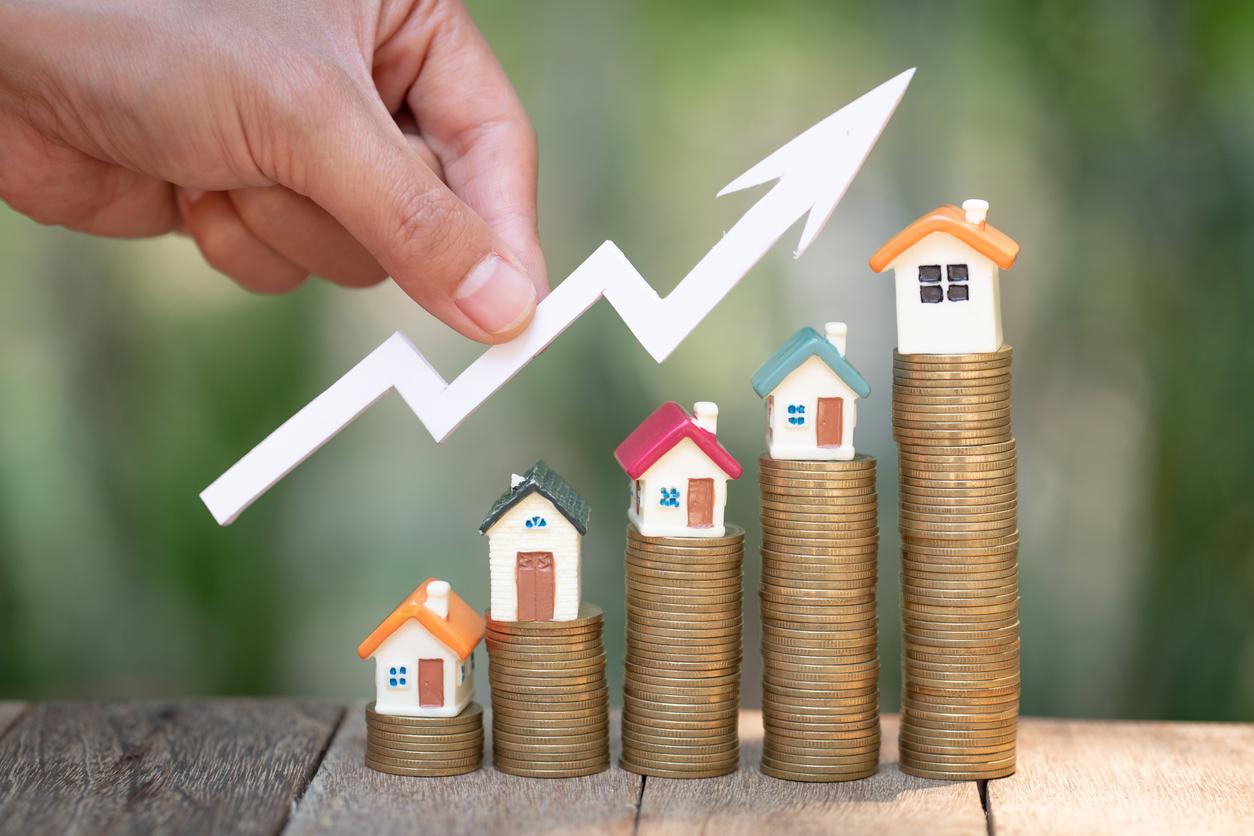
In a world where the hustle and bustle of urban life often dictates the choices we make, the question of whether to rent or buy a home becomes a pivotal decision for many Kenyans. With the rising demand for housing in cities like Nairobi, Mombasa, Nakuru, Eldoret, Nanyuki, Naivasha, Kisumu among other areas, potential homeowners and renters alike are faced with a plethora of options, often overwhelming in their diversity. Each path—renting or buying—brings with it unique benefits and challenges that can shape one’s lifestyle and financial future.
Evaluating Your Financial Landscape: Understanding Costs and Commitments
Before making a decision between renting and buying, it’s essential to get a clear picture of your financial landscape. Understanding your costs and commitments allows you to assess what you can realistically afford, providing a framework for your home search. Key expenses to consider include:
– Monthly Rent or Mortgage Payments: Compare the ongoing costs associated with each option. While rent might seem lower upfront, mortgage payments contribute to an asset you own.
– Upfront Costs: For buying, remember to factor in the down payment, closing costs, and inspection fees. These can be substantial, often requiring years of savings.
– Maintenance and Repairs: Homeownership often carries hidden costs that renters typically avoid. A burst pipe or a leaking roof is the landlord’s headache when renting, but your responsibility when owning.
– Utilities: They can vary between rental properties and owned homes, impacting your monthly budget depending on the size and efficiency of the property.
By comprehensively evaluating these elements, you’ll equip yourself with the knowledge needed to make an informed decision. Each choice carries its own set of financial implications, and recognizing these will help define your personal goals in homeownership.
Navigating the Market: Key Factors in Choosing Between Renting and Buying
When considering whether to rent or buy in the vibrant Kenyan real estate market, it’s essential to weigh the financial implications alongside personal circumstances. Renting often offers greater flexibility, especially for those who are still exploring different neighborhoods or are uncertain about their long-term plans. The initial costs associated with renting are typically lower, allowing you to allocate resources to other important areas, such as savings or investments. This option can be particularly advantageous in metropolitan areas like Nairobi, where the market can shift rapidly, and potential buyers may find themselves at the mercy of fluctuating interest rates.
On the other hand, purchasing property can be a sound investment, particularly in regions poised for growth. When you buy, you are building equity over time, which can lead to financial stability and security. Consider the following factors when making your decision:
– Duration of Stay: Plan to stay for several years? Buying may be more beneficial as it spreads the high upfront costs over a longer period.
– Market Trends: Are property values rising in your area? Areas like Naivasha and Nanyuki have seen appreciation due to infrastructural developments.
– Maintenance Responsibilities: Renting minimizes your exposure to upkeep costs, freeing up your weekends and your wallet.
– Personal Financial Situation: Assess whether your current savings can support a down payment without depleting your emergency fund.
Finding the Right Fit: Essential Features for Modern Kenyan Homes
When searching for a home that perfectly suits your lifestyle in Kenya, there are several essential features to consider. Modern Kenyan homes often reflect a blend of functionality and cultural aesthetics. Here’s what to prioritize:
– Space and Layout: Ensure the home has an open design that accommodates family gatherings while also ensuring privacy in personal spaces.
– Natural Light: Large windows and skylights maximize sun exposure, creating a bright, inviting atmosphere that reduces the need for artificial lighting.
– Outdoor Areas: Balconies, gardens, or terraces can greatly enhance your living experience by providing space for relaxation and socializing, a feature heavily valued in towns like Nakuru and Eldoret.
– Energy Efficiency: Look for homes with solar panels, energy-efficient appliances, and good insulation to keep utility costs low, a growing trend for modern developments.
– Security Features: A secure environment is paramount, so consider homes with gated access, cameras, and nearby police presence.
It’s also wise to assess the location and accessibility of your new home. A well-situated property can make all the difference in your daily life, providing convenient access to essential services and leisure activities. Proximity to schools, public transport, and amenities like grocery stores and medical facilities promote convenience and community living. Furthermore, investing in areas with planned infrastructure enhancements can increase property value, making your decision more forward-thinking.
Maximizing Your Investment: Tips for Negotiation and Future Growth
When engaging in the rental or purchase of a property in Kenya, honing your negotiation skills can significantly impact your investment’s value. Begin by conducting thorough market research to establish a clear understanding of current property prices in your desired area. This knowledge will empower you during discussions and give you a foundation for your negotiation strategy. Consider the following tips to enhance your bargaining position:
– Know the Market: Familiarize yourself with comparable properties and their values. Knowledge is power, and sellers respect informed buyers.
– Be Flexible: Express openness to various settlement terms; adaptability can lead to better deals, such as a longer payment period or inclusion of furniture.
– Build Rapport: Establishing a personal connection with the landlord or seller can pave the way for amicable negotiations, sometimes leading to a more favorable price.
For future growth, it’s important to focus not just on the immediate financial implications, but also on the long-term value appreciation of your investment. Educate yourself about the community and its potential for development; areas undergoing infrastructural changes—like the expansion of the Nairobi Expressway or new resort developments in Diani—tend to appreciate faster. Factors such as infrastructure development, neighborhood trends, and a booming job market can profoundly impact property desirability and prices, ensuring that your purchase today becomes a valuable asset tomorrow. Whether you hold the keys to a rented sanctuary or claim ownership of your dream home, the most important factor is that it feels like a place where you can flourish.

Last updated:
