
 by
by 
Kenya Real Estate Market Outlook 2026 Mid Year: Stability, Growth, and New Opportunities
Real Estate in Kenya has long been a cornerstone of economic aspiration and household wealth, but as we approach the mid-point of 2026, the sector is navigating a complex landscape shaped by shifting economic policies, evolving buyer preferences, and a renewed focus on affordability. The first half of the year has revealed a market that is neither in a boom nor a slump, but rather recalibrating for long-term resilience. For investors, homebuyers, and developers alike, understanding the currents of the Kenya real estate market outlook 2026 mid year is essential to making informed decisions. This article delves into the key trends, challenges, and opportunities defining the sector during this pivotal period.
The Macroeconomic Backdrop: A Foundation of Caution and Opportunity
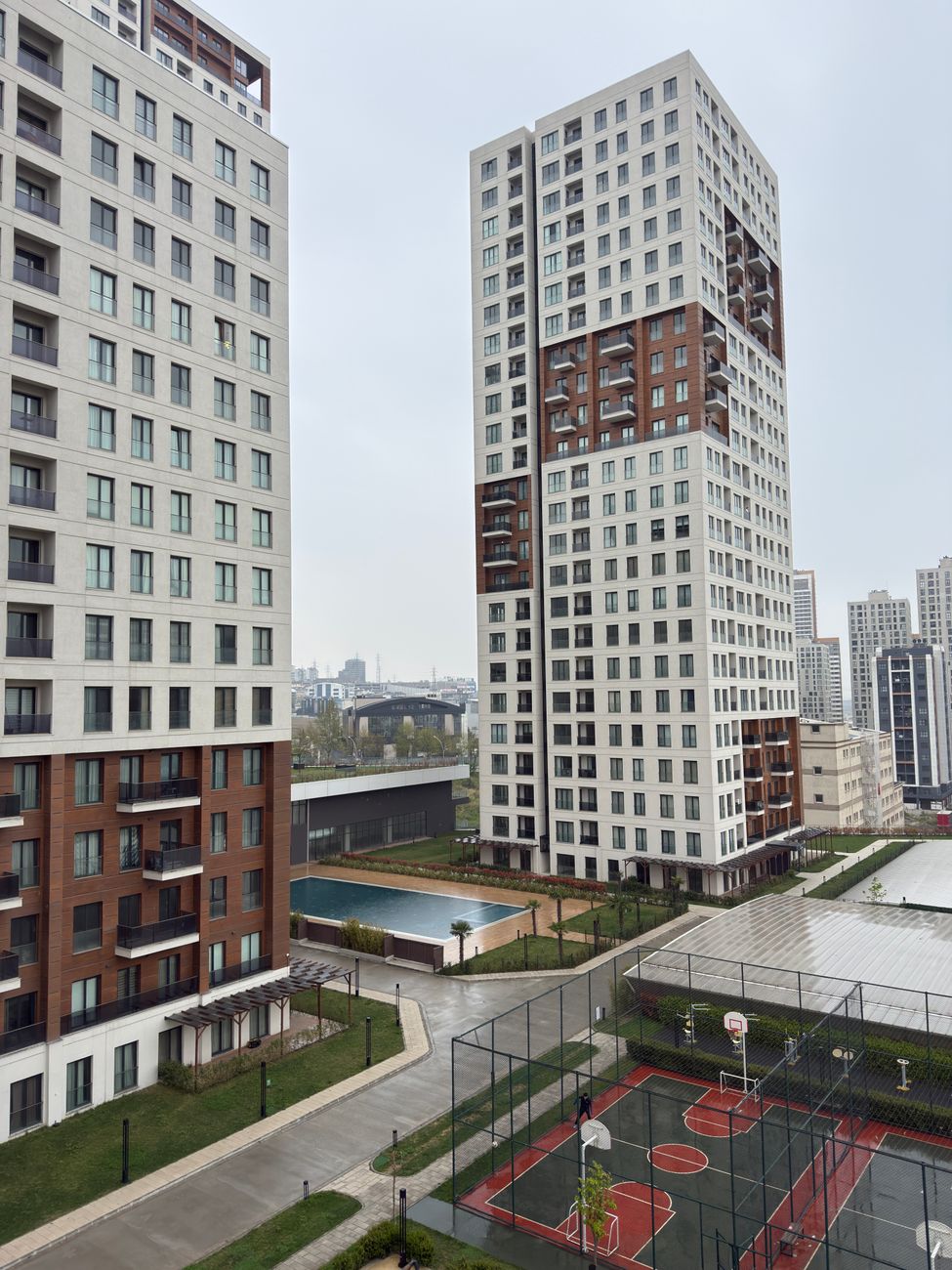
To understand the mid-year outlook for real estate, one must first consider the broader economic environment. Kenya’s economy in early 2026 is showing signs of steady, if unspectacular, growth. The Central Bank of Kenya has maintained a cautious approach to interest rates, balancing the need to control inflation with the imperative to stimulate lending. For real estate, this means mortgage rates, while still elevated compared to historic lows, have stabilized. This stability is crucial: it allows potential homeowners to plan their finances with greater certainty, and it gives developers a clearer cost structure for financing projects.
The Kenyan shilling has remained relatively stable against major currencies, which is positive for developers importing materials and for diaspora investors looking to repatriate funds. However, the cost of construction inputs like cement, steel, and fittings remains high due to global supply chain adjustments and local taxation. This cost pressure is a defining feature of the Kenya real estate market outlook 2026 mid year, forcing developers to be more creative in design and material selection to keep projects viable.
Residential Real Estate: The Rise of Affordable and Mid-Market Housing
The residential segment is the most dynamic part of the market, but the demand profile has shifted noticeably. The high-end luxury market, once a darling of investors in Nairobi’s leafy suburbs like Karen, Runda, and Muthaiga, has cooled. Supply has outpaced demand for premium properties priced above KES 50 million, leading to longer selling periods and modest price corrections. In contrast, the affordable and mid-market segments—homes priced between KES 3 million and KES 15 million—are experiencing robust activity.
Government initiatives, including the Affordable Housing Programme (now in its advanced stages under various public-private partnerships), are beginning to deliver units. However, private developers are also pivoting. Satellite towns like Ruiru, Kitengela, Syokimau, and Athi River are seeing a surge in townhouse and apartment projects that cater to young professionals and growing families. These developments emphasize practicality: three-bedroom units with parking, reliable water supply, and proximity to transport corridors. The keyword here is “value for money.” Buyers are less interested in opulence and more in functional spaces that offer a good quality of life without breaking the bank.
Rental demand remains high, particularly in urban centers. With urbanization rates still climbing, Nairobi, Mombasa, and Kisumu continue to attract new residents. However, rental yields have compressed slightly due to increased supply, especially in middle-income apartments. Landlords are finding that tenants are more discerning, demanding amenities like security, backup water, and reliable internet. The days of renting any unfinished unit are fading; quality and service are becoming differentiators.
Commercial Real Estate: The Hybrid Work Effect and Retail Adaptation
The commercial office sector is undergoing a structural shift, and the mid-2026 outlook reflects this. The post-pandemic reality of hybrid and remote work has permanently altered demand for traditional office space. Grade A offices in Nairobi’s central business district (CBD) and upmarket neighborhoods like Westlands and Upper Hill are still in demand by multinational corporations and financial institutions that require prestigious addresses. However, vacancy rates in older, lower-grade buildings have increased. Landlords are responding by retrofitting spaces—adding co-working areas, better ventilation, and flexible lease terms.
The real story in commercial real estate is the revival of retail. After years of struggle during the pandemic and the rise of e-commerce, physical retail is finding its footing again. However, it is not a return to the old model. Shopping malls that have successfully integrated entertainment, dining, and experiential offerings (like cinemas, gyms, and children’s play areas) are thriving. Niche retail parks in residential neighborhoods are also gaining popularity, offering convenience and a community feel. The big-box retail model is less dominant; instead, smaller, curated retail spaces are attracting foot traffic.
Industrial and Logistics: The Unsung Hero of 2026
If one segment is quietly booming, it is industrial and logistics real estate. The growth of e-commerce, the expansion of the manufacturing sector under the “Buy Kenya, Build Kenya” initiative, and Kenya’s role as a regional logistics hub for East Africa are driving demand for warehouses and distribution centers. Key areas around Nairobi’s Jomo Kenyatta International Airport (JKIA), the Nairobi-Mombasa highway corridor, and the Naivasha Industrial Park are experiencing a land rush.
Modern logistics facilities are no longer just sheds. They require high ceilings, ample loading bays, temperature control capabilities, and robust security. The Kenya real estate market outlook 2026 mid year shows that developers with expertise in this niche are finding strong tenant demand from third-party logistics (3PL) companies, e-commerce giants like Jumia and Kilimall, and fast-moving consumer goods (FMCG) distributors. Yields in this sector are attractive, often outperforming residential or retail investments on a risk-adjusted basis.
Land and Development: Zoning, Infrastructure, and Speculation
Land remains a favorite asset class for Kenyan investors, but the dynamics have changed. Speculative land buying for pure capital appreciation has cooled, particularly in areas far from infrastructure. Investors are now more focused on land with immediate development potential or land located along planned infrastructure corridors. The completion of major road projects (like the Nairobi Expressway and ongoing bypasses) is unlocking value in areas previously considered peripheral. For instance, land in areas like Ruaka, Tatu City, and along the Thika Superhighway is seeing consistent appreciation because of confirmed accessibility.
However, there is a cautionary note. Land disputes, title deed fraud, and the complexities of Kenya’s land registration system remain significant risks. Due diligence—including physical inspections, official searches at the Ministry of Lands, and verification of zoning regulations—is more critical than ever. The mid-2026 market rewards careful, informed investors over those who chase quick profits.
Challenges to Watch: Financing, Taxation, and Regulatory Hurdles
No market outlook is complete without acknowledging headwinds. For real estate in Kenya, the primary challenge remains access to financing. While interest rates have stabilized, banks remain risk-averse, especially for smaller developers and first-time homebuyers. Mortgage penetration, while growing, is still below 5% of the adult population. This financing gap means that many potential buyers are priced out of the formal market, forcing them into informal savings groups (chamas) or developer-financed purchase plans, which carry their own risks.
Taxation is another concern. The government has increasingly looked to the real estate sector for revenue. Capital gains tax (CGT) on property sales, VAT on construction materials, and the introduction of new levies at the county level all eat into margins. While these taxes are necessary for public revenue, they also slow transaction velocity and can discourage small-scale investors.
Furthermore, regulatory uncertainty persists. Changes in building codes, environmental impact assessment requirements, and rent control discussions create an environment of caution. Developers need predictability to plan multi-year projects, and the current landscape sometimes lacks that.
The Outlook for the Second Half of 2026: A Market of Selective Optimism
Looking ahead to the latter part of 2026, the Kenya real estate market outlook mid year suggests a market that will reward patient, strategic participants. We are unlikely to see the double-digit price appreciation of a decade ago, but steady, sustainable growth is on the cards. The key themes for the remainder of the year are:
- Affordability First: Projects that cater to the KES 3-15 million price bracket will continue to dominate sales.
- Rental Resilience: Investors in well-located, well-managed rental properties can expect stable cash flows, albeit with lower yields than in previous years.
- Infrastructure-Led Growth: Areas near new or improved transport links will outperform.
- Commercial Adaptation: Success in commercial real estate will depend on flexibility, mixed-use development, and tenant experience.
- Industrial Expansion: The logistics and warehousing sector will remain a bright spot for institutional investors.
Final Thoughts
The Kenya real estate market outlook 2026 mid year is neither a story of a booming bubble nor a looming crash. Instead, it is a narrative of maturation. The industry is shedding its speculative excesses and focusing on fundamentals: genuine demand, quality construction, and sustainable returns. For the end-user, it is a good time to buy, with more choices and more negotiable prices. For the investor, it is a time to be discerning, focusing on location, cash flow, and long-term fundamentals rather than short-term hype. As always in real estate, the mantra holds true: location, due diligence, and patience remain the keys to success. The second half of 2026 promises to be a period of steady growth for those who understand the new rules of the game.
Related Properties
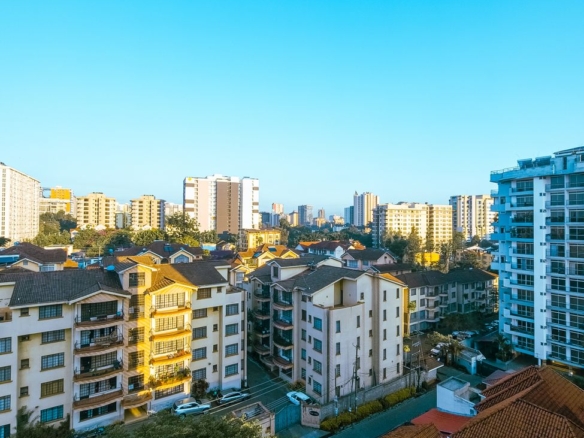
Discover Prime Properties in Kenya’s Most Sought-After Locations





Join The Discussion