
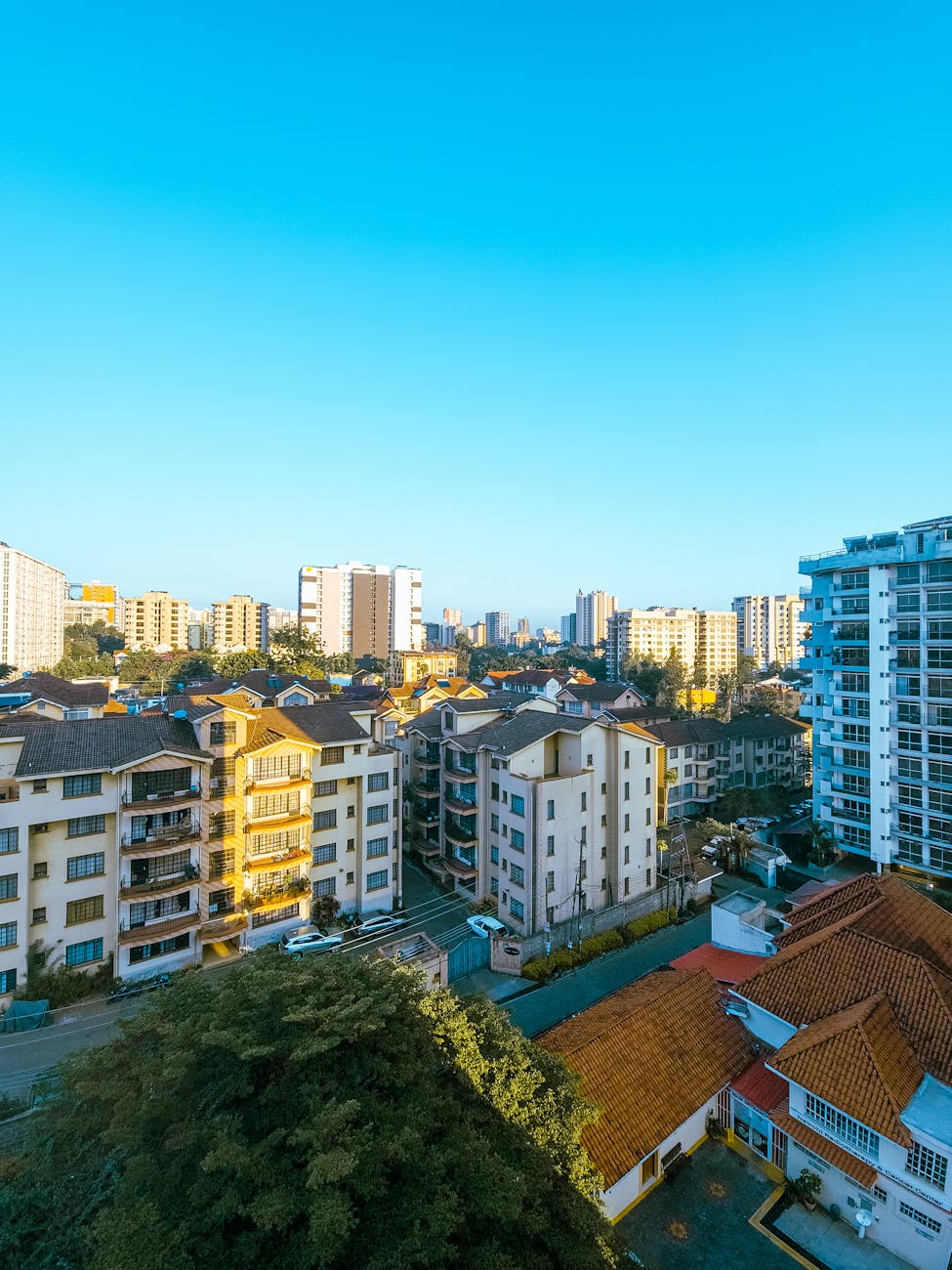
Inflation has quietly become one of the biggest forces shaping the Kenyan real estate market. From rising land prices around Nairobi to increasing construction expenses and changing property values, inflation now affects nearly every real estate decision buyers and investors make.
For many Kenyans and diaspora investors, the big question is no longer whether property prices are increasing — it is whether real estate can still protect wealth and remain a smart long-term investment in 2026.
The answer is more complex than many people realize.
In this guide, we explore how inflation affects land values, construction costs, and property prices in Kenya, and what buyers, investors, and homeowners should understand before purchasing property.
Understanding Inflation in the Kenyan Real Estate Market
Inflation refers to the gradual increase in the cost of goods and services over time. In real estate, inflation impacts:
- Land acquisition costs
- Building materials
- Labor expenses
- Mortgage affordability
- Property demand
- Rental pricing
When inflation rises, the cost of developing and owning property also increases. This often pushes property prices upward — especially in high-demand areas such as Nairobi, Kiambu, Karen, Westlands, Syokimau, and satellite towns surrounding the capital.
In Kenya, inflation has also been influenced by:
- Currency fluctuations
- Higher fuel prices
- Increased import costs
- Rising infrastructure spending
- Urban population growth
These factors continue to reshape the property market in 2026.
How Inflation Affects Land Values in Kenya
Land remains one of the strongest inflation-resistant assets in Kenya.
Unlike cash, land is limited. As inflation increases and the value of money gradually declines, investors often move toward tangible assets such as land to preserve wealth.
This is one reason why land prices in strategic areas continue rising even during periods of economic uncertainty.
Areas Seeing Strong Land Value Growth
In 2026, demand remains high in:
- Kiambu
- Ruiru
- Juja
- Ngong
- Kitengela
- Syokimau
- Limuru
- Karen
- Malaa and Joska
- Emerging zones along bypasses and infrastructure corridors
Major road projects, bypass expansions, and growing urban migration continue pushing land values upward.
For investors, this creates both opportunity and urgency.
Waiting too long during inflationary periods can mean paying significantly more for the same parcel of land just a few years later.
Why Construction Costs Continue Rising
One of the biggest effects of inflation in Kenya has been the rapid increase in construction costs.
Building materials that were once affordable have become substantially more expensive due to:
- Global supply chain disruptions
- Import taxes
- Currency depreciation
- Fuel and transportation costs
- Rising labor expenses
Materials Most Affected
In recent years, notable increases have been seen in:
- Cement
- Steel
- Paint
- Electrical materials
- Tiles and finishing products
- Plumbing supplies
For developers and homeowners, this means construction budgets today are significantly higher than they were just a few years ago.
A project that cost KES 8 million to build in 2021 may now require considerably more capital in 2026.
This increase in development costs directly affects property pricing across the market.
How Inflation Influences Property Prices in Kenya
As land and construction costs rise, developers naturally transfer some of those costs into final property prices.
This is why apartments, townhouses, and standalone homes in Nairobi and surrounding areas continue becoming more expensive.
However, inflation does not affect all properties equally.
Properties That Tend to Hold Value Better
Some property categories perform better during inflationary periods:
1. Land in Growth Corridors
Land near infrastructure projects, bypasses, and urban expansion zones often appreciates steadily.
2. Rental Apartments
Rental demand usually remains strong in major urban centers, helping investors maintain cash flow.
3. Luxury Real Estate
High-net-worth buyers often move into premium property markets during inflation to preserve capital.
4. Gated Community Homes
Secure family-oriented developments continue attracting middle and upper-income buyers.
Is Real Estate Still a Good Investment During Inflation?
For many investors, real estate remains one of the safest long-term assets during inflation.
Why?
Because property tends to:
- Preserve value over time
- Appreciate gradually
- Generate rental income
- Provide protection against currency weakening
While inflation may reduce the purchasing power of cash savings, quality real estate assets often continue appreciating over the long term.
This is one reason many diaspora investors continue purchasing land and homes in Kenya despite rising prices.
What Buyers Should Consider Before Purchasing Property in 2026
Inflation does not mean buyers should rush blindly into the market. Smart investing still matters.
Key Things to Evaluate
Location Quality
Focus on areas with:
- Infrastructure growth
- Good road access
- Water and electricity
- Security
- Long-term development potential
Developer Reputation
Work with trusted developers and verified property agents to avoid costly mistakes.
Long-Term Value
Avoid buying based purely on hype. Look at actual growth potential and demand.
Construction Timing
If building, budget for possible material price increases over the project timeline.
Title Verification
Always conduct proper due diligence before purchasing land or property.
The Future of Real Estate in Kenya
Despite inflation challenges, Kenya’s real estate market continues showing long-term resilience.
Urbanization, infrastructure expansion, population growth, and housing demand continue supporting property values across many parts of the country.
For serious investors, inflation may actually create opportunities:
- Buying early in growth areas
- Securing land before infrastructure completion
- Investing in rental property
- Acquiring premium assets during market uncertainty
The key is making informed decisions rather than emotional purchases.
Final Thoughts
Inflation is reshaping the Kenyan property market in powerful ways. Land values are rising, construction costs are increasing, and property prices continue adjusting to economic realities.
Yet real estate remains one of the few assets that can still offer long-term wealth preservation and growth when approached strategically.
For buyers and investors in 2026, understanding how inflation affects land, construction, and property prices is no longer optional — it is essential.
The most successful property investors are often those who understand market trends early and position themselves before prices rise further.

- Compulsory Acquisition Kenya: Process and Compensation September 26, 2026
- Compare Two Apartments in Kenya: Due Diligence Guide September 26, 2026
- Capital Gains Tax in Kenya: Calculation, Deductions, and Valuation Guide September 17, 2026
- Upperhill vs Westlands: Nairobi Property Outlook to 2027 September 15, 2026
- Kilimani vs Westlands: Property Market Outlook to 2027 September 15, 2026
Fact Checked & Editorial Guidelines
Our Fact Checking Process
We prioritize accuracy and integrity in our content. Here's how we maintain high standards:
- Expert Review: All articles are reviewed by subject matter experts.
- Source Validation: Information is backed by credible, up-to-date sources.
- Transparency: We clearly cite references and disclose potential conflicts.
Your trust is important. Learn more about our Fact Checking process and editorial policy.
Reviewed by: Subject Matter Experts
Our Review Board
Our content is carefully reviewed by experienced professionals to ensure accuracy and relevance.
- Qualified Experts: Each article is assessed by specialists with field-specific knowledge.
- Up-to-date Insights: We incorporate the latest research, trends, and standards.
- Commitment to Quality: Reviewers ensure clarity, correctness, and completeness.
Look for the expert-reviewed label to read content you can trust.
↻ Last updated:
)