
Automobile valuation and assessors services are the backbone of fair and transparent transactions in the automotive world, serving as the critical bridge between a vehicle’s physical state and its financial worth. Whether you are an individual looking to sell a used car, an insurer settling a total loss claim, or a financial institution approving an auto loan, the need for a precise, objective, and defensible vehicle appraisal is non-negotiable. This comprehensive guide explores the full spectrum of these services, from foundational definitions to the complex methodologies used by professional assessors, highlighting why their expertise is indispensable for navigating the complexities of car ownership and asset management.
Defining the Scope: What Qualifies as an Automobile for Assessment?
In the professional context of valuation and assessment, the term automobile extends far beyond the family sedan. An assessor’s purview includes a broad range of motorized vehicles designed for road transportation, each requiring specialized knowledge and distinct valuation parameters. This includes:
– Private Passenger Vehicles: Standard commuter cars, luxury sedans, SUVs, and sports cars where condition, trim level, and optional features heavily influence value.
– Commercial Fleets: Trucks, delivery vans, buses, and public transport minibuses, where valuation leans heavily on operational efficiency, maintenance logs, and residual value projections.
– Two-Wheelers: Motorcycles, scooters, and high-performance bikes, where meticulous inspection of engine health and chassis integrity is essential.
– Specialized Machinery: Ambulances, construction equipment, and agricultural vehicles, often requiring an income approach to valuation based on their utility and earning potential.
Each category presents unique depreciation curves and market dynamics, necessitating a tailored approach from the assessor.
The Critical Importance of Automobile Valuation Services
The purpose of a professional assessment goes far beyond simply assigning a number. These services provide objective, third-party data that protects the interests of all parties involved, mitigating risk and preventing financial disputes.
1. Insurance Valuation and Claims Processing
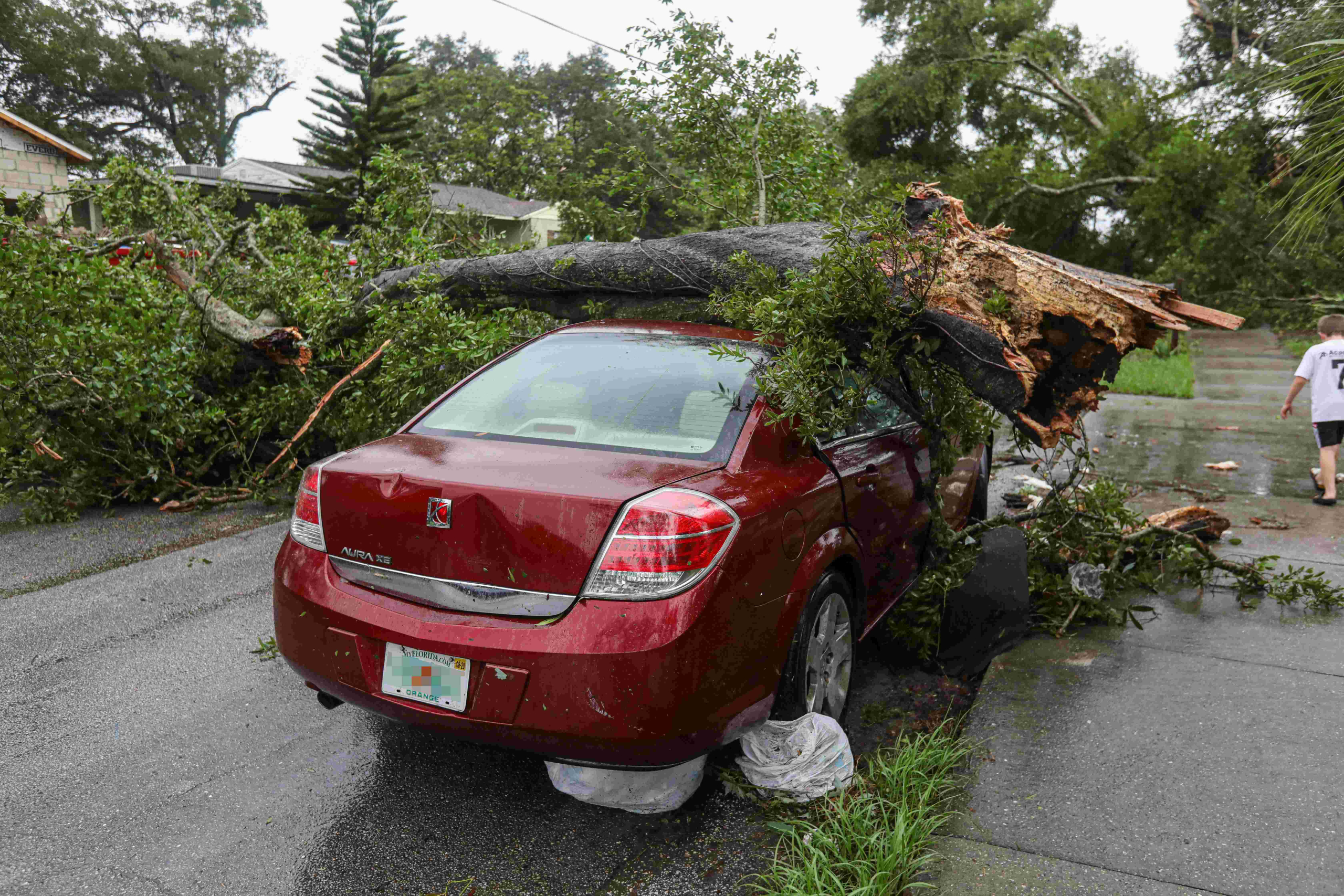
For insurers, a pre-accident valuation sets the premium basis. Post-incident, assessors are the forensic eyes on the ground, determining whether a vehicle is a repairable loss or a total write-off. Their detailed damage reports and repair cost estimates ensure that policyholders receive fair compensation while shielding the insurance company from inflated or fraudulent claims.
2. Facilitating Secure Buying and Selling
In the used car market, information asymmetry is the seller’s advantage. An independent automobile valuation provides a trusted baseline for buyers, protecting them from overpaying for a vehicle with hidden issues. Conversely, sellers benefit from a certified report that justifies their asking price, accelerating the sale process and instilling confidence in potential buyers.
3. Securing Loans and Financing
Banks and credit unions rely heavily on assessors to determine the collateral value of a vehicle before issuing an auto loan. The valuation report serves as a risk assessment tool, ensuring that the loan-to-value (LTV) ratio is sound. If a borrower defaults, the lender must ensure the vehicle can be resold to cover the outstanding debt.
4. Legal and Taxation Requirements
Court proceedings involving divorce settlements, bankruptcy, or insurance litigation often hinge on the expert testimony of an automobile assessor. Their reports are admissible evidence that establishes the fair market value of a vehicle at a specific point in time. Additionally, government agencies utilize these reports to calculate import duties and stamp duties, ensuring accurate tax collection on vehicles.
5. Strategic Fleet and Asset Management
For companies managing fleets of vehicles, periodic valuations are essential for maintaining accurate balance sheets. These reports help track asset depreciation, calculate insurance premiums correctly, and decide the optimal time to offload aging vehicles to maximize resale value while minimizing maintenance costs.
Key Factors Influencing Vehicle Valuation
A professional assessor does not guess; they analyze a matrix of data points to arrive at a fair market value. The primary drivers of value include:
– Make, Model & Trim: Brand reputation and specific trim packages (e.g., sport vs. base model) create dramatically different value baselines.
– Age and Depreciation Rate: Vehicles lose value the moment they leave the dealership, with the most significant drop occurring in the first few years.
– Odometer Mileage: Higher mileage directly correlates with increased wear and tear on critical components like the engine, transmission, and suspension, reducing value.
– Physical and Structural Condition: This is a holistic review of the exterior paint, interior upholstery, tire depth, and, most importantly, a thorough inspection of the engine bay and undercarriage for rust or damage.
– Service and Accident History: A documented service history with a reputable garage increases confidence and value. A clean title is crucial, as a salvage or rebuilt title due to a prior accident can reduce a vehicle’s value by 20-50%.
– Market Demand & Region: A 4×4 SUV will command a higher price in a rural, snowy region than it might in a dense urban center. Scarcity and current fuel prices also play a role.
– Legal and Regulatory Compliance: A vehicle that has failed its safety inspection or has registration issues will be valued lower due to the cost and hassle of rectifying these problems.
The Role of the Automobile Assessor
The automobile assessor is a licensed and often certified professional whose integrity is paramount. Their role is multifaceted and goes beyond just looking at the exterior. Their duties involve conducting a systematic inspection of the vehicle’s mechanical fitness, structural integrity, and aesthetic appeal. They are responsible for:
– Forensic Damage Analysis: Estimating repair costs by evaluating the extent of collision damage, frame misalignment, or flood exposure.
– Financial Reconciliation: Calculating the Actual Cash Value (ACV) using depreciation schedules and comparable market sales.
– Comprehensive Reporting: Drafting detailed, jargon-free reports that are easy for lawyers, insurers, and private owners to understand.
– Consultative Advice: Guiding clients on whether it is financially prudent to repair a vehicle or scrap it for salvage value.
These professionals rely on a blend of hands-on inspection and digital tools, including vehicle history reports (like Carfax or AutoCheck), advanced diagnostic scanners to read engine codes, and proprietary valuation databases to ensure accuracy.
Methodologies Utilized in Automobile Valuation
To ensure accuracy, assessors select from one of four primary valuation methodologies, depending on the vehicle type and the purpose of the report.
– Market Comparison Approach: The gold standard for standard consumer vehicles. The assessor identifies similar vehicles (same make, model, year, and approximate mileage) currently for sale or recently sold in the local market. Adjustments are made for differences in condition and included options.
– Cost Approach: This is the best method for classic cars, modified vehicles, or specialized machinery. The valuation is calculated by taking the current cost of a similar new vehicle (or the cost to reconstruct the existing one) and subtracting accrued depreciation and physical deterioration.
– Income Approach: Used almost exclusively for commercial vehicles (taxis, buses, delivery vans), this method values the car based on the net income it can generate over its remaining useful lifespan, factoring in operating costs.
– Depreciation Method: A systematic calculation used to estimate the vehicle’s current value by applying a standard annual depreciation rate to its original purchase price. While useful for accounting, it is the least accurate for unique or well-maintained vehicles and is usually a starting point rather than a final determination.
Overcoming Challenges in the Assessment Industry
The industry is not without its hurdles. Automobile valuation is a complex discipline that faces challenges such as rapid market fluctuations driven by global supply chain issues, the difficulty in detecting hidden structural damage that may have been caked over with filler, and a lack of uniform standards across different regions. To combat this, clients must insist on dealing with certified assessors who are members of recognized professional bodies and who use the most current industry software to prevent pricing discrepancies.
In conclusion, professional automobile valuation and assessors services are an essential safeguard in the automotive ecosystem. They provide the certainty required to make high-stakes financial decisions, ensuring that no party is unfairly disadvantaged. For any stakeholder, from a first-time car buyer to a corporate fleet manager, engaging a certified assessor is not an additional cost, but a prudent investment that provides Peace of Mind and financial protection.

Last updated:
