
 by
by 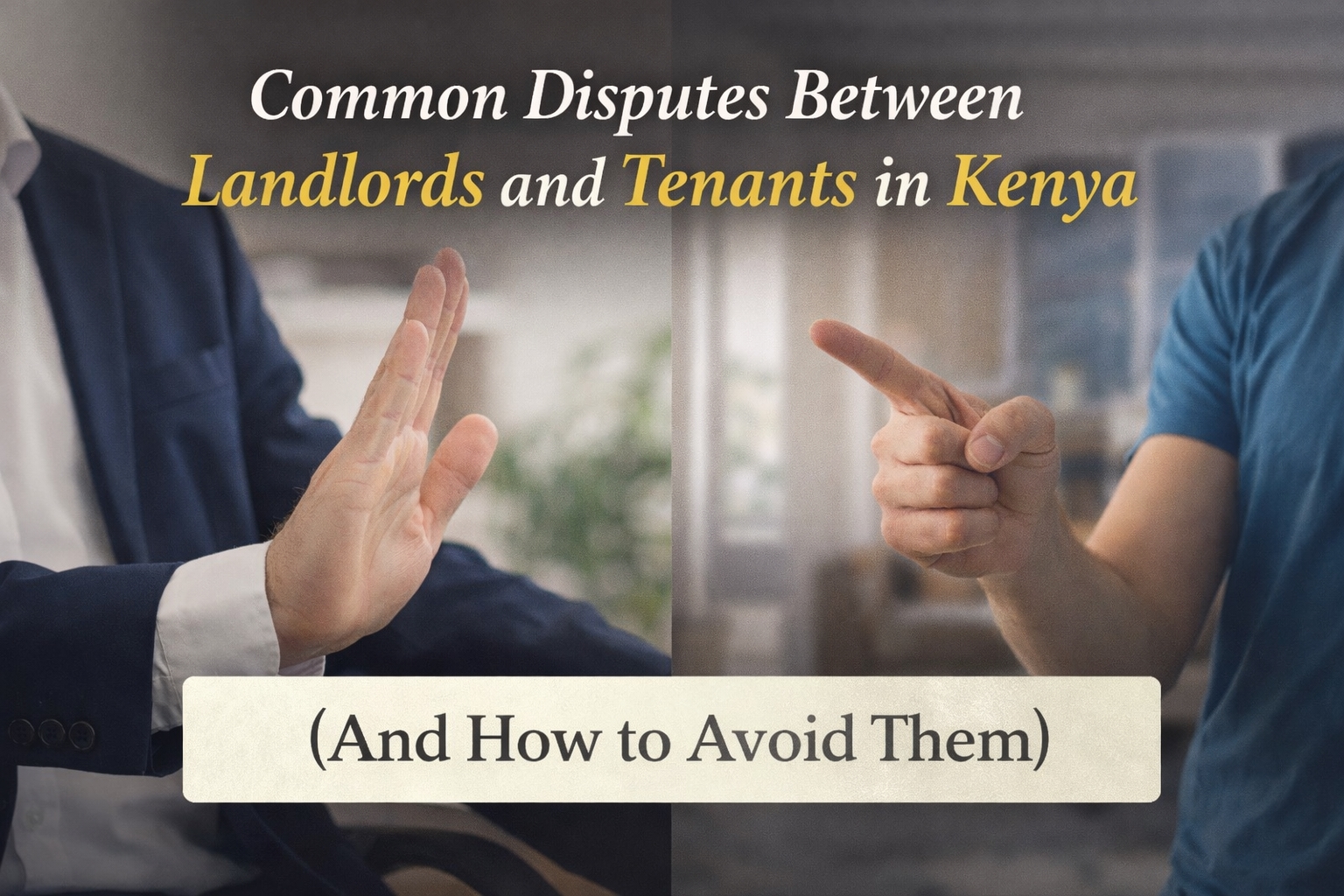
Common Disputes Between Landlords and Tenants in Kenya (And How to Avoid Them)
Disputes between landlords and tenants are among the most common legal and commercial conflicts in Kenya’s real estate sector. From unpaid rent and delayed repairs to disagreements over rent increases and lease termination, these disputes often arise not because of bad intentions, but due to unclear agreements, poor communication, and lack of knowledge of legal rights and obligations.
With Kenya’s rental market expanding rapidly—especially in urban centres such as Nairobi, Mombasa, Kisumu, Nakuru, and satellite towns—understanding how to prevent landlord-tenant disputes is increasingly important. Preventive property management not only protects rental income but also preserves long-term asset value and tenant relationships.
Let’s explore the most common disputes between landlords and tenants in Kenya, why they occur, and—most importantly—practical strategies to avoid them.
1. Non-Payment or Late Payment of Rent
Why It Happens
Non-payment or delayed rent is the single most common cause of conflict in rental property management. It may result from:
-
Loss of income or financial hardship
-
Poor tenant screening
-
Ambiguous rent due dates
-
Weak enforcement mechanisms
How to Avoid It
-
Use a clear written tenancy agreement specifying rent amount, due date, penalties, and payment method
-
Conduct proper tenant vetting, including employment verification and references
-
Issue rent reminders before due dates
-
Enforce penalties consistently for late payments
-
Maintain rent payment records and issue receipts
A predictable and professional rent collection system reduces friction and sets expectations early.
2. Disputes Over Rent Increases
Why It Happens
Tenants often dispute rent increases when:
-
Increases are sudden or excessive
-
No prior notice is given
-
The legal procedure is not followed
In controlled tenancies, unlawful rent increases can expose landlords to legal penalties.
How to Avoid It
-
Provide adequate notice as required by law
-
Justify increases with market data, inflation, or property improvements
-
Follow Rent Restriction Tribunal or Business Premises Rent Tribunal procedures where applicable
-
Communicate early and transparently
Gradual, well-explained rent reviews are more likely to be accepted.
3. Maintenance and Repair Responsibilities
Why It Happens
Disputes often arise over:
-
Who is responsible for repairs
-
Delays in fixing essential services
-
Poor-quality maintenance work
Tenants expect habitable premises, while landlords may feel tenants cause excessive wear and tear.
How to Avoid It
-
Clearly define maintenance obligations in the lease
-
Conduct regular property inspections
-
Respond promptly to essential repairs (water, electricity, plumbing)
-
Document property condition at move-in with photos and reports
Preventive maintenance reduces emergencies and long-term costs.
4. Security Deposit (Rental Deposit) Disputes
Why It Happens
Security deposit conflicts usually occur when:
-
Deductions are unclear or undocumented
-
Tenants expect full refunds despite damage
-
Refunds are delayed after vacating
How to Avoid It
-
Clearly state deposit terms in the tenancy agreement
-
Conduct joint move-in and move-out inspections
-
Provide itemized deductions where applicable
-
Refund balances within agreed timelines
Transparency and documentation are essential for deposit-related trust.
5. Lease Termination and Eviction Conflicts
Why It Happens
Disputes arise when:
-
Proper notice is not given
-
Illegal evictions occur
-
Tenants overstay after lease expiry
Kenyan law protects tenants from unlawful eviction, even in cases of default.
How to Avoid It
-
Follow legal eviction procedures strictly
-
Serve proper notices
-
Avoid self-help evictions such as lockouts or utility disconnections
-
Engage tribunals or courts when necessary
Legal compliance protects both landlords and tenants from costly litigation.
6. Use of Property and Alterations
Why It Happens
Common issues include:
-
Tenants changing property use without consent
-
Structural alterations without approval
-
Subletting without permission
How to Avoid It
-
Specify permitted use in the lease
-
Prohibit alterations without written consent
-
Conduct periodic inspections
-
Include penalties for unauthorized changes
Clear boundaries prevent misuse and asset depreciation.
7. Utility Bills and Service Charges
Why It Happens
Disputes occur when:
-
Utility responsibilities are unclear
-
Bills accumulate unnoticed
-
Shared meters cause confusion
How to Avoid It
-
Clarify responsibility for utilities and service charges
-
Use prepaid meters where possible
-
Provide monthly statements for service charges
-
Avoid shared meters without clear allocation methods
Clear billing structures reduce recurring misunderstandings.
8. Noise, Nuisance, and Neighbour Complaints
Why It Happens
Tenants may face complaints due to:
-
Excessive noise
-
Illegal activities
-
Poor waste management
These disputes can affect other tenants and the landlord’s reputation.
How to Avoid It
-
Include house rules in the tenancy agreement
-
Enforce rules consistently
-
Address complaints early before escalation
Community harmony protects long-term rental value.
9. Poor Communication and Relationship Breakdown
Why It Happens
Many disputes escalate simply because:
-
Concerns are ignored
-
Communication is informal or undocumented
-
Emotions replace professionalism
How to Avoid It
-
Maintain written communication records
-
Respond promptly and respectfully
-
Use professional property management systems
Good communication is often the simplest dispute-prevention tool.
10. Legal Framework and Lack of Awareness
Why It Happens
Many landlords and tenants are unaware of:
-
Their rights and obligations
-
Applicable tribunals
-
Proper dispute resolution channels
How to Avoid It
-
Understand relevant landlord-tenant laws
-
Use professionally drafted lease agreements
-
Seek legal or property management advice when needed
Prevention is far cheaper than legal disputes.
Best Practices for Preventing Landlord-Tenant Disputes
-
Use clear, written tenancy agreements
-
Vet tenants thoroughly
-
Document everything
-
Communicate consistently
-
Comply with the law
-
Engage professional property managers
A structured approach transforms rental property from a source of conflict into a stable income asset.
Conclusion
Landlord-tenant disputes in Kenya are common—but largely avoidable. Most conflicts stem from unclear agreements, unmet expectations, and weak management systems rather than deliberate misconduct.
By investing in proper documentation, professional communication, and legal compliance, both landlords and tenants can enjoy smoother relationships, reduced stress, and long-term value.
In Kenya’s evolving real estate market, well-managed rental properties are not just more profitable—they are more sustainable.
This article is intended for informational purposes and does not constitute legal advice.

Our Fact Checking Process
We prioritize accuracy and integrity in our content. Here's how we maintain high standards:
- Expert Review: All articles are reviewed by subject matter experts.
- Source Validation: Information is backed by credible, up-to-date sources.
- Transparency: We clearly cite references and disclose potential conflicts.
Your trust is important. Learn more about our Fact Checking process and editorial policy.
Our Review Board
Our content is carefully reviewed by experienced professionals to ensure accuracy and relevance.
- Qualified Experts: Each article is assessed by specialists with field-specific knowledge.
- Up-to-date Insights: We incorporate the latest research, trends, and standards.
- Commitment to Quality: Reviewers ensure clarity, correctness, and completeness.
Look for the expert-reviewed label to read content you can trust.



Join The Discussion