

Mombasa Real Estate: The Changing Coastal Property Market and Emerging Investment Opportunities
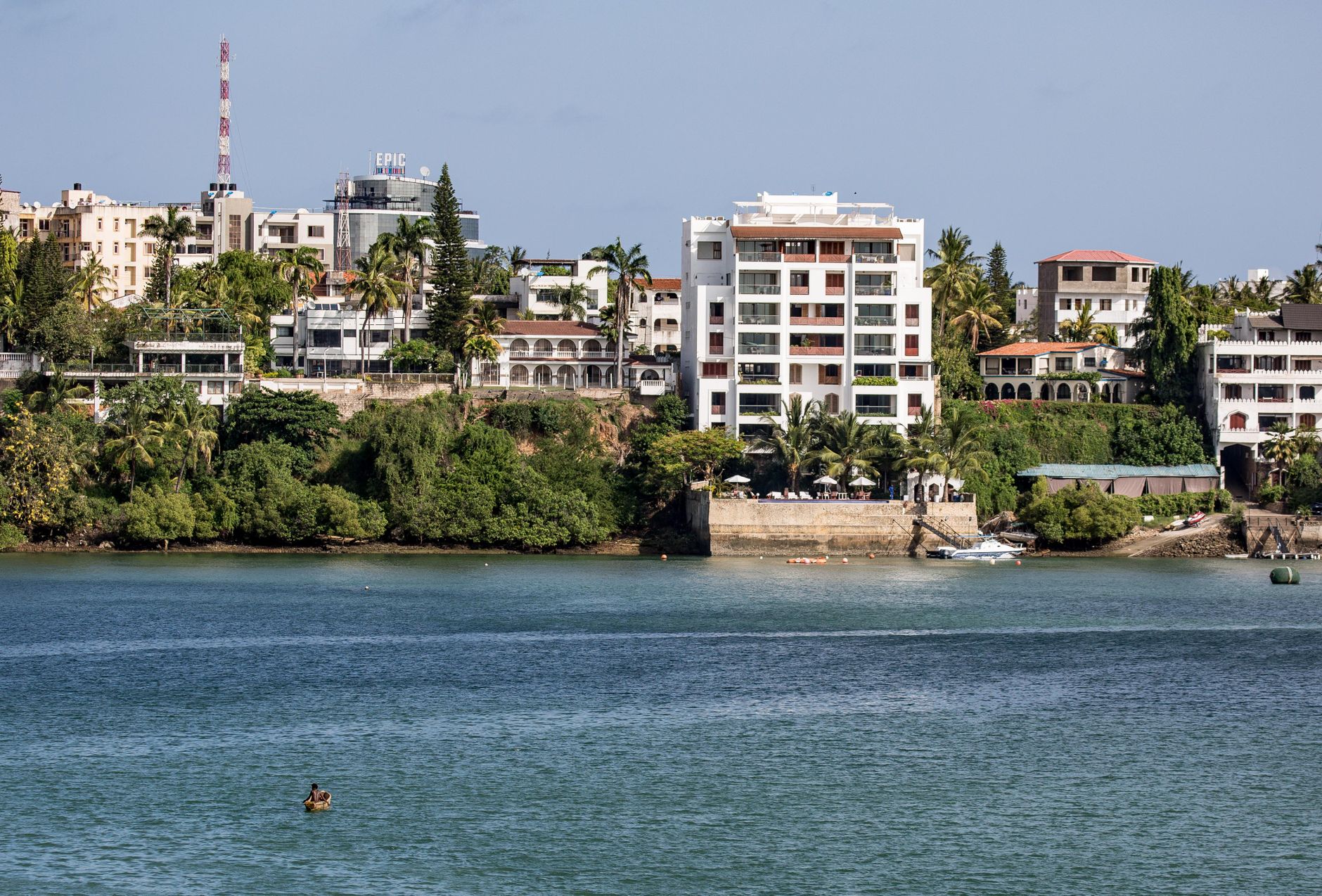
Mombasa’s real estate market is undergoing a period of transformation, influenced by changing investment preferences, expanding economic activities, infrastructure improvements and the continued development of the wider coastal region. While the city has traditionally been associated with tourism, hospitality and beachfront residential properties, its property market has evolved into a much broader investment landscape encompassing industrial real estate, logistics, commercial developments, residential housing, holiday accommodation and land investment.
The city’s significance as Kenya’s principal maritime gateway provides an important foundation for this market. Its port, established trading activities, tourism industry and connections to the hinterland continue to influence the movement of people, businesses and capital. At the same time, growing residential settlements, changing housing preferences and infrastructure developments are creating opportunities beyond the traditional property investment locations.
From the established residential neighbourhoods of Nyali and Kizingo to the expanding North Coast, the industrial mainland and the increasingly accessible South Coast, different locations are presenting distinct investment propositions.
Understanding Mombasa’s real estate market therefore requires looking beyond its reputation as a coastal tourism destination and examining the economic activities, infrastructure and changing land-use patterns shaping property demand across the region.
The Port Economy and Its Influence on Commercial and Industrial Real Estate
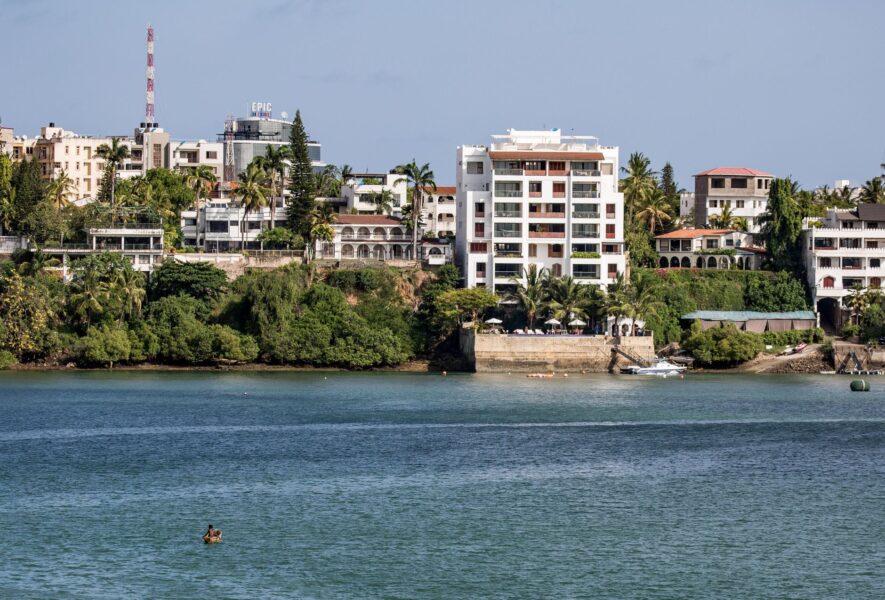
Mombasa’s position as an international maritime and trading centre is one of the most important factors distinguishing its property market from other urban centres in Kenya.
The Port of Mombasa serves not only the Kenyan economy but also several landlocked countries within the East and Central African region. Its operations support an extensive network of shipping, cargo handling, freight forwarding, clearing and forwarding, warehousing, transportation and distribution businesses.
The scale of this activity has direct implications for the real estate sector. Manufacturing companies, importers, exporters, logistics operators and distribution businesses require appropriately located commercial and industrial premises to support their operations.
In 2025, the Port of Mombasa handled approximately 45.45 million metric tonnes of cargo, representing an increase of about 10 per cent from the previous year. Container traffic also increased, reflecting the continued importance of the port to regional trade.
This economic activity supports demand for warehouses, logistics yards, industrial premises, offices, storage facilities and commercial accommodation. Properties located within accessible industrial and logistics zones are particularly relevant to businesses whose operations depend on proximity to port facilities, major roads and cargo distribution networks.
Changamwe, Shimanzi, Miritini, Jomvu and surrounding industrial areas are therefore important when examining commercial and industrial property opportunities in Mombasa.
For investors, the opportunity extends beyond acquiring conventional rental buildings. Industrial land, purpose-built warehouses, distribution centres, cold storage facilities and premises suitable for manufacturing and processing activities form part of the wider investment landscape.
Dongo Kundu: A New Dimension in Mombasa’s Industrial and Commercial Property Market
One of the most significant developments influencing the future property market around Mombasa is the establishment of the Dongo Kundu Special Economic Zone.
Situated on the southern mainland, Dongo Kundu is being developed as a major industrial, logistics, trade and investment destination. The approximately 3,000-acre development is designed to accommodate a combination of port facilities, industrial parks, free trade zones, warehousing, logistics operations and other commercial activities.
The development is particularly important because it introduces a new dimension to the city’s traditional industrial geography. Businesses seeking to establish manufacturing and export-oriented operations may find opportunities within the special economic zone and its surrounding areas.
The planned infrastructure includes port berths, road connections, railway facilities, electricity, water and sewerage systems. These supporting facilities are intended to create an environment capable of accommodating large-scale industrial and commercial investments.
The government announced an allocation of Kshs. 74.1 billion towards enabling infrastructure for the zone in September 2026. The development is expected to create substantial employment and attract businesses involved in manufacturing, energy, logistics and international trade.
For the real estate market, the implications extend to industrial land, warehouses, logistics facilities, commercial premises, employee accommodation and supporting service businesses.
Miritini, Mikindani, Jomvu, Likoni and other surrounding locations warrant consideration within this changing investment landscape. Their respective suitability will depend on accessibility, land-use provisions, infrastructure availability and proximity to the emerging economic activities.
However, investors should distinguish between established industrial locations and areas whose investment potential depends on the future operationalization of the special economic zone. Anticipated economic growth should not automatically be treated as evidence of current property demand or guaranteed land appreciation.
Nyali, Kizingo and Tudor: The Established Residential and Lifestyle Property Market
Mombasa’s established residential neighbourhoods continue to play an important role in the city’s property market, particularly among buyers seeking permanent residences, higher-quality accommodation and properties within developed urban environments.
Nyali remains one of the most recognizable residential and lifestyle property locations along the Kenyan coast. Its appeal is associated with its residential environment, proximity to beaches, shopping facilities, educational institutions, healthcare services, hospitality establishments and established road connections.
The area accommodates a variety of properties, including apartments, maisonettes, villas, townhouses and gated residential developments. Demand is influenced by local households, business owners, professionals, expatriates and investors interested in coastal residential accommodation.
The growing preference for apartments and managed residential developments has also influenced the nature of new property developments in Nyali. Multi-storey residential projects, mixed-use schemes and developments incorporating commercial and social amenities are becoming increasingly relevant to the area’s property market.
Kizingo presents a different residential proposition. Its established urban character, proximity to the central business district, government offices, financial institutions and other important facilities make it relevant to buyers seeking convenient access to the city’s administrative and commercial activities. Residential properties in this location range from older houses to apartments and higher-end homes.
Tudor also has an established residential market, with a mixture of apartments, family homes and properties serving different income groups. Its proximity to the island’s commercial and institutional facilities contributes to its residential appeal.
For property investors, these established neighbourhoods offer opportunities in residential sales, rental accommodation, redevelopment and property management. However, acquisition decisions should consider building condition, development density, parking provisions, access, maintenance requirements and the availability of supporting services.
The North Coast: Bamburi, Shanzu and Mtwapa’s Expanding Property Market
The North Coast represents one of the most significant areas of residential and commercial expansion within the wider Mombasa coastal market.
Bamburi and Shanzu have developed into important residential, tourism and hospitality locations, supported by their coastal setting, established hotels, recreational facilities and access to the Mombasa–Malindi highway.
Their property markets encompass beachfront apartments, holiday homes, residential estates, hotels, serviced accommodation and commercial premises. The combination of permanent residential demand and tourism-related activity creates opportunities for investors considering both conventional residential properties and hospitality-oriented developments.
Bamburi, in particular, offers a mixture of established residential neighbourhoods, apartments, hospitality facilities and commercial developments. Its proximity to the city centre and the wider North Coast tourism belt makes it relevant to different classes of property investors.
Shanzu has a stronger association with coastal hospitality, resort developments, beachfront properties and holiday accommodation. However, permanent residential developments and supporting commercial services also form part of its property market.
Further north, Mtwapa has developed into an important commercial and residential centre serving both local residents and the wider Kilifi coastal region. Its property market is characterised by apartments, residential estates, commercial premises, hospitality establishments and land suitable for different development purposes.
The proposed and ongoing improvements to the Mombasa–Mtwapa road are particularly relevant to this corridor. The road project, which includes the dualling of sections between Nyali Bridge and Mtwapa, is intended to improve traffic movement, pedestrian facilities, drainage and connectivity towards Kilifi and the wider northern coastal region.
These improvements may strengthen the attractiveness of selected properties by improving accessibility and supporting commercial activity. For investors, however, the most important considerations remain the specific location, proximity to established economic activities, infrastructure availability and suitability for the intended property use.
It is also important to recognize that Mtwapa is within Kilifi County, although its property market is closely connected to Mombasa’s North Coast.
The South Coast: Diani, Ukunda and the Changing Holiday Property Investment Landscape
The South Coast presents a distinct real estate investment proposition, largely influenced by tourism, hospitality, coastal living and the growing accessibility of the region.
Diani and Ukunda are among the most established property markets in this part of the coast. Their appeal extends beyond traditional holiday accommodation to include permanent residential developments, retirement homes, serviced apartments, holiday villas, hospitality facilities and commercial property.
Diani’s reputation as an international beach destination has supported demand for hotels, resorts, holiday homes, private villas and short-stay accommodation. The area also attracts buyers seeking coastal lifestyle properties and investors interested in hospitality-related developments.
Ukunda serves as an important commercial and service centre for the surrounding South Coast population. Its property market includes residential housing, retail premises, commercial buildings, rental apartments and land suitable for various development purposes.
One of the most significant infrastructure developments influencing the South Coast is the completed Dongo Kundu Bypass. The road provides a direct connection between Miritini and the South Coast, reducing reliance on the Likoni Ferry for certain journeys between Mombasa and Kwale.
This has important implications for the accessibility of Diani, Ukunda and surrounding areas. It also strengthens connections between the South Coast, the Port of Mombasa, the Nairobi–Mombasa highway and other economic centres.
The bypass creates a stronger basis for considering investments in hospitality, commercial property, residential developments, agricultural enterprises and land along suitable connecting corridors.
Beyond Diani and Ukunda, areas such as Tiwi, Galu, Kinondo and Msambweni present additional opportunities for coastal residential, hospitality and land investments. However, these locations have varying levels of development, infrastructure and commercial activity.
Investors should also consider the seasonal nature of tourism-related accommodation demand, operating costs, property management requirements, environmental restrictions and the availability of reliable utilities when assessing holiday properties.
Importantly, Diani and Ukunda are located in Kwale County rather than Mombasa County. They should therefore be understood as part of the wider South Coast property market connected to Mombasa.
The Mainland and Emerging Residential Investment Locations
Beyond the established coastal neighbourhoods, Mombasa’s mainland provides a substantial market for residential housing, affordable accommodation and properties serving the city’s working population.
Areas such as Kisauni, Bamburi, Miritini, Jomvu, Mikindani, Likoni and parts of Changamwe have different residential and commercial characteristics.
Kisauni has a broad residential market comprising apartments, individual family homes, rental accommodation and neighbourhood commercial properties. Its proximity to the North Coast and established transport connections makes it relevant to both residential and commercial investors.
Changamwe and Jomvu have a stronger association with industrial, transport and logistics activities, although residential accommodation and supporting commercial services remain important components of their property markets.
Miritini and Mikindani are particularly relevant when considering the changing southern mainland property landscape. Their proximity to major transport corridors, industrial activities and the Dongo Kundu development creates opportunities for residential accommodation, commercial premises, land investment and properties serving businesses and employees.
Likoni, meanwhile, has an established residential and commercial market influenced by its connection to the South Coast and the wider Mombasa urban economy. Improved road connectivity through the southern bypass provides an additional dimension to its property investment environment.
These locations are important when considering the wider housing market because not all residential demand is directed towards premium coastal neighbourhoods. There is also a significant market for affordable housing, rental apartments and family accommodation serving households whose employment and daily activities are concentrated within Mombasa’s industrial, commercial and service sectors.
Tourism, Hospitality and the Growing Demand for Specialised Accommodation
Tourism remains one of the most recognizable drivers of Mombasa’s property market. The city’s beaches, historical attractions, hotels, restaurants and recreational facilities support an extensive hospitality industry that creates demand for specialized real estate.
Hotel developments, resorts, serviced apartments, holiday villas, conference facilities and short-stay accommodation form an important segment of the coastal property market.
However, hospitality investment requires a different assessment from conventional residential property investment. The performance of a holiday apartment or hotel is influenced by tourist arrivals, occupancy patterns, seasonal demand, operating costs, management quality, competition and the property’s location.
Mombasa Island, Nyali, Bamburi, Shanzu and the South Coast each attract different categories of visitors and hospitality operators. The suitability of an investment therefore depends on the target market and the type of accommodation being offered.
There are also opportunities in supporting hospitality infrastructure, including restaurants, retail premises, entertainment facilities, wellness establishments and recreational developments.
As coastal tourism continues to evolve, investors may increasingly consider properties that combine accommodation with other services and leisure facilities. Nevertheless, the long-term viability of such developments depends on realistic demand assessments, appropriate development costs and effective property management.
Land Investment Along the Coast: Location, Use and Development Potential
Land remains an important investment category throughout Mombasa and the wider coastal region. However, the market is characterized by considerable differences in land use, development intensity, ownership documentation, accessibility and infrastructure.
In established urban neighbourhoods, land opportunities are often associated with redevelopment, apartment construction, commercial buildings and mixed-use developments. In expanding residential locations, investors may consider plots suitable for family homes, gated communities and rental housing.
Along the North Coast and South Coast, land may be acquired for residential, hospitality, recreational, commercial or mixed-use developments. Larger parcels in selected inland locations may also be suitable for agricultural enterprises, institutional developments and other land-based investments.
However, coastal land acquisition requires particular attention to ownership history, title verification, survey records, access rights and applicable planning provisions. Investors should also consider environmental sensitivity, drainage, flood exposure, coastal erosion, shoreline setbacks and restrictions affecting development near beaches, wetlands and other protected areas.
The physical characteristics of coastal properties also require special consideration. Salt-laden air, high humidity and exposure to marine conditions can influence building materials, maintenance requirements and the long-term condition of improvements.
Consequently, land should be assessed according to its actual characteristics and permitted use rather than relying solely on proximity to the ocean or anticipated future development.
Infrastructure and the Future Direction of Mombasa’s Property Market
Infrastructure development is likely to remain an important influence on the direction of Mombasa’s real estate market.
The completed Dongo Kundu Bypass has already introduced an alternative transport connection between the mainland and South Coast, while ongoing improvements to the Mombasa–Mtwapa corridor are expected to strengthen accessibility along the North Coast.
The expansion and modernization of the Port of Mombasa, together with the development of the Dongo Kundu Special Economic Zone, are also important to the future of industrial and commercial real estate.
Other infrastructure considerations include road improvements within residential neighbourhoods, drainage systems, water supply, sewerage, electricity distribution and supporting public facilities.
For property developers, these factors influence development costs, marketability and the suitability of individual locations. For investors, they help distinguish between properties benefiting from established infrastructure and those whose potential depends on future improvements.
The relationship between infrastructure and property values should nevertheless be considered carefully. Improved roads or new economic facilities do not automatically translate into uniform price appreciation across surrounding areas. The effect depends on the nature of the development, its accessibility, the surrounding land uses and the actual demand for property.
Making Informed Property Investment Decisions in Mombasa
Mombasa’s property market offers opportunities across several investment categories, but identifying suitable properties requires an understanding of the economic activities and physical characteristics influencing each location.
Residential property investors should consider household affordability, rental demand, competing developments, occupancy prospects and the quality of supporting amenities.
Commercial and industrial investors should examine access to transport networks, proximity to customers and suppliers, utility availability, permitted uses and the operational suitability of the premises.
Hospitality investors should consider tourism patterns, occupancy prospects, operating expenses, management arrangements and the competitiveness of the accommodation offering.
Land investors, on the other hand, should establish ownership, boundaries, access, planning status, physical suitability and development feasibility before committing capital.
Professional valuation is important in determining market value, assessing rental levels, supporting property financing, evaluating investment opportunities and establishing appropriate acquisition or disposal prices. This is particularly relevant in a coastal market where properties may have significantly different characteristics despite being located within the same general neighbourhood.
Conclusion: Mombasa’s Real Estate Market Is Expanding Beyond Its Traditional Coastal Identity
Mombasa’s real estate market is increasingly defined by the interaction between maritime trade, industrial expansion, tourism, residential growth and regional infrastructure development.
The established residential neighbourhoods of Nyali, Kizingo and Tudor continue to serve different housing and lifestyle markets. Bamburi, Shanzu and Mtwapa present opportunities associated with residential expansion, hospitality and commercial activity along the North Coast. Meanwhile, Changamwe, Jomvu, Miritini and Dongo Kundu are important to the evolving industrial, logistics and commercial property landscape.
The South Coast, particularly Diani and Ukunda, adds another investment dimension through tourism, holiday accommodation, coastal residential developments and improved connectivity following the completion of the Dongo Kundu Bypass.
These developments demonstrate that Mombasa should not be viewed solely as a destination for beachfront homes and holiday properties. Its real estate market accommodates a much wider range of investment opportunities, from industrial land and warehouses to residential apartments, commercial buildings, hospitality establishments and agricultural properties.
For buyers, developers and investors, the most important consideration is understanding the economic purpose of each location and identifying properties whose characteristics, permitted use and market demand align with the intended investment.
As the coastal economy continues to evolve, professional valuation, proper due diligence and a clear understanding of local property-market dynamics will remain essential to making informed and sustainable real estate investment decisions.
For more insights on property transactions in Kenya, see our complete buyer & seller guide. Additionally, you can explore property for sale in Shanzu, Mombasa to see current listings. For official data on land registration and property rights, refer to the Kenya Ministry of Lands and Physical Planning.