
 by
by 
Understanding your property investment return is the single most important step in determining whether your real estate venture is truly working for you. Many investors focus solely on rising property prices, but the real measure of success lies in a combination of rental income, capital growth, and the costs you incur along the way. Without a clear calculation, you might be losing money while thinking you are building wealth. This article breaks down the essential formulas, the hidden costs, and the practical ways to evaluate your portfolio’s performance, ensuring you have a complete picture of your financial standing.
Property Investment Return: Core Metrics: Gross vs. Net Yield
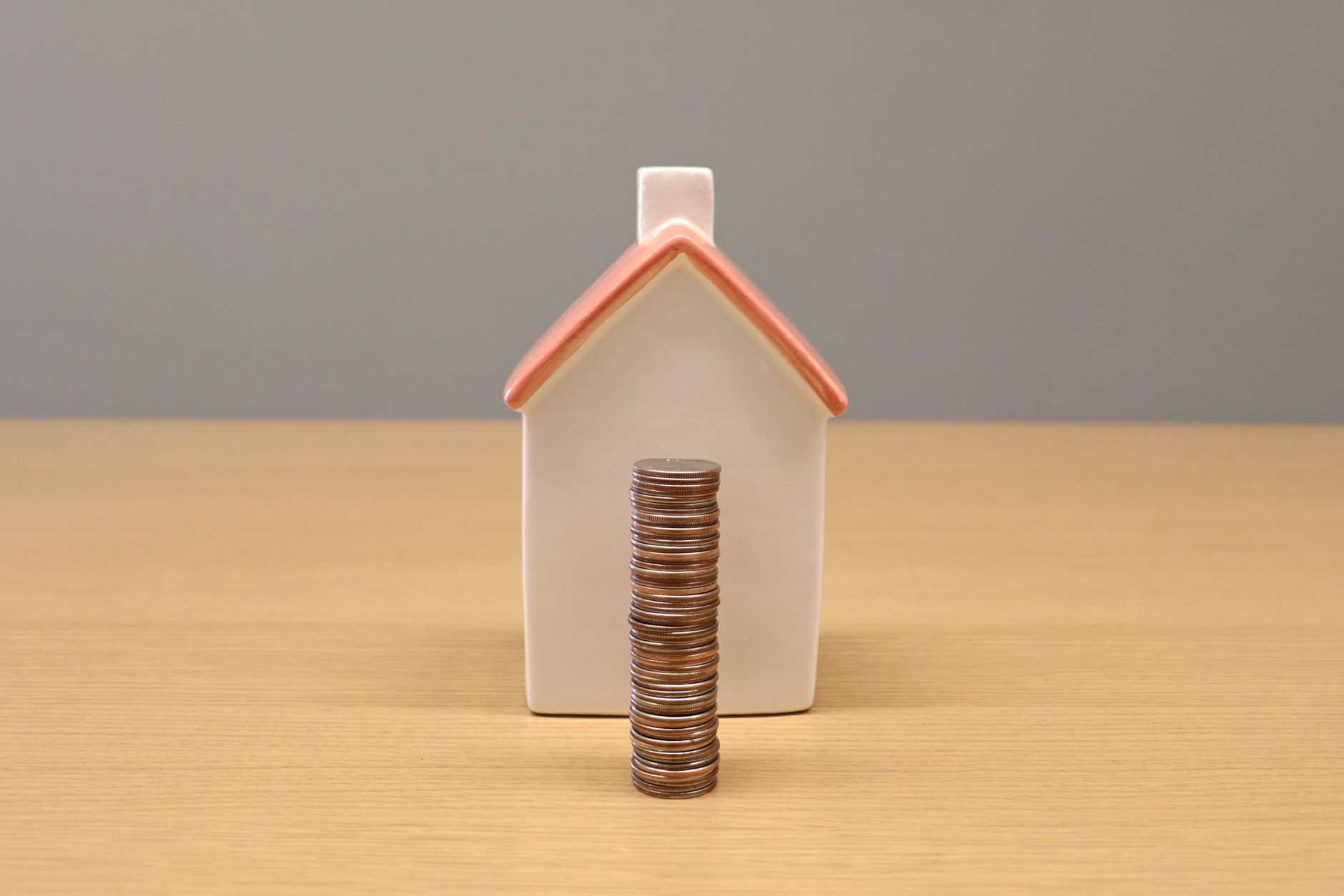
Before diving into complex metrics, you must master the basic yield calculations. The gross yield is your annual rental income divided by the property’s purchase price (or current market value), expressed as a percentage. For example, if you earn $24,000 in annual rent on a property worth $400,000, your gross yield is 6%. This figure is a quick screening tool, but it ignores all expenses.
The net yield is far more accurate. This calculation subtracts operating expenses—such as property management fees, insurance, maintenance, and property taxes—from your annual rental income before dividing by the property value. If your expenses total $7,000 annually, your net income is $17,000. Dividing that by $400,000 gives you a net yield of 4.25%. This number reflects the actual cash flow you pocket before mortgage payments. Always track these figures per property to see which assets underperform and which are your cash cows.
Property Investment Return: Calculating Your Total Return on Investment (ROI)
Your total property investment return is not just about rental income; it must account for capital appreciation. The Return on Investment (ROI) formula combines both income and equity growth. To calculate it, determine the total gain—which is the change in property value plus cumulative rental income—and subtract all costs, including renovation expenses and closing fees. Divide that net gain by your total out-of-pocket cash investment (your down payment plus closing costs and any capital improvements).
For instance, suppose you invested $80,000 as a down payment and spent $10,000 on renovations. If the property value rises by $60,000 and you earn $30,000 in net rental income over five years, your total gain is $90,000. Your total cash invested is $90,000. This yields a 100% ROI over the five-year period, or roughly 15% annually. This holistic view is critical because a low-yield suburb with high appreciation can still outperform a high-yield area with stagnant growth.
The Importance of Cash-on-Cash Return
A specific version of ROI, the cash-on-cash return, measures the annual pre-tax cash flow divided by the total cash invested. This metric ignores equity growth and mortgage principal paydown, focusing purely on the cash you physically receive. If you put $50,000 down and receive $6,000 in annual cash flow after all expenses and mortgage payments, your cash-on-cash return is 12%. Investors seeking immediate income prefer this metric, while those focused on long-term equity may find it less relevant. Use it to compare different properties directly, as it normalizes the investment size.
Hidden Costs That Reduce Your Return
Many novices calculate their property investment return using only the purchase price, ignoring ongoing expenses that can silently erode profits. Vacancy costs are a prime culprit. If your property sits empty for two months each year, you lose 16.6% of your annual rental income. Similarly, maintenance reserves should be set aside each year, typically 1% to 2% of the property value, to cover unexpected repairs like a broken boiler or roof leak. Property taxes can also rise annually, shrinking your net yield.
Additionally, transaction costs like stamp duty, legal fees, and loan establishment charges can consume a significant chunk of your initial capital. These are ‘sunk costs’ you cannot avoid. When calculating your true return, do not just subtract these once; factor them into your total cash invested to see the real annualized return. A property that shows a 5% net yield might drop to 3% once you allocate funds for capex reserves and vacancy periods.
How Leverage Affects Your Property Investment Return
Leverage—using borrowed money to finance a purchase—amplifies your returns but also increases risk. When you finance 80% of a property, a 5% increase in property value can result in a 25% return on your invested equity (the 20% down payment). Conversely, a 5% drop in value destroys 25% of your equity. Your mortgage interest rate also directly impacts your cash flow. A rise of 1% in interest can eliminate positive cash flow entirely if your rental income is thin.
To accurately assess your leveraged return, subtract your annual mortgage payments (interest and principal) from your net operating income. If the result is positive, you have positive gearing. If negative, you are negatively gearing, which may be tax-efficient but hurts cash flow. Always stress-test your property investment return against higher vacancy and interest rates to ensure you are not over-leveraged.
Measuring Long-Term Performance with Capitalization Rate
The capitalization rate (cap rate) is the ratio of net operating income to the property’s current market value. Unlike ROI, which uses your cash investment, the cap rate uses the entire property value, making it a standardized measure of risk and profitability. A cap rate of 7% indicates a higher return but often comes with higher risk or lower growth areas, while a 4% cap rate suggests a safer, premium location. Use the cap rate to compare your property against market benchmarks. If your property’s cap rate is declining due to rising costs, your long-term return may be weakening even if prices are stable.
Practical Steps to Track Your Returns Regularly
Calculating your return should not be a once-a-year event. Set up a quarterly review using a spreadsheet or investment software. Track your current rental income, actual vacancies, maintenance expenses, and updated property valuations. Recalculate your net yield and cash-on-cash return each time. This habit identifies problems early, such as running yields falling below your mortgage rate, which signals negative cash flow. Also, maintain a separate ledger for capital improvements, as these increase your property value and must be added to your investment basis.
In conclusion, your property investment return is a multifaceted metric that extends far beyond simple rental income. By consistently measuring gross and net yields, calculating your cash-on-cash return, factoring in hidden costs, understanding leverage, and using the cap rate, you gain complete control over your portfolio. Armed with these numbers, you can make informed decisions about when to hold, sell, or renovate your assets, ensuring your wealth grows as efficiently as possible. For more insights on the Kenyan market, see our Nairobi Residential Property Market Report 2026. Additionally, you can explore Kenya Real Estate Investment for a data-driven perspective.

Last updated:



Join The Discussion