
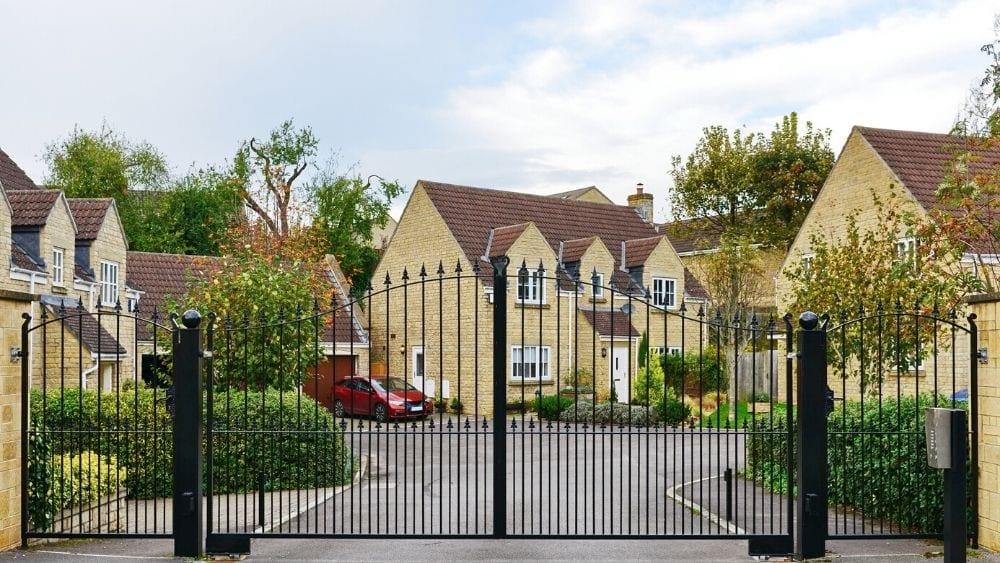
Gated estates have become a hallmark of modern luxury living, offering a unique blend of security, privacy, and community that is increasingly difficult to find in traditional neighborhoods. For many homebuyers, the allure of these exclusive enclaves goes far beyond the impressive architecture and manicured lawns. They represent a lifestyle choice centered on peace of mind and a higher standard of living. Whether you are a first-time buyer looking for a safe environment to raise a family or a savvy investor seeking long-term value, understanding the nuances of this market is essential. The decision to purchase property within these walls is not just a financial transaction; it is an investment in a specific way of life. This guide will walk you through the myriad of benefits, the critical evaluation process, and the unique transactional procedures involved in securing your place within a premium community.
Exploring the Benefits of Living in a Gated Estate Community
The advantages of residing in a secure, exclusive neighborhood extend far beyond the initial appeal of a guarded entrance. For residents, the true value is discovered in the daily quality of life, which is significantly enhanced by several key factors. These communities are meticulously designed to provide an environment that prioritizes resident well-being, creating a sanctuary away from the hustle and bustle of the outside world.
– Enhanced Security and Safety: The most prominent benefit is the multi-layered security infrastructure. This typically includes 24/7 manned guards, controlled access points, and CCTV surveillance. This constant monitoring provides an unparalleled sense of safety, allowing residents to sleep soundly and children to play freely outdoors without the constant worry typical of urban environments.
– Unmatched Privacy: In a world where our every move seems public, gated communities offer a rare commodity: privacy. Access is strictly limited to residents and their invited guests, which drastically reduces unsolicited visitors, door-to-door solicitors, and casual traffic. This exclusivity ensures that your home remains a private retreat from the public eye.
– A Strong Sense of Community: Contrary to the belief that gated living is isolating, these neighborhoods often foster a stronger community spirit. Because the environment is safer and more pedestrian-friendly, neighbors are more likely to interact, organize social events, and form lasting bonds. This creates a supportive and close-knit social network that is invaluable in today’s transient society.
– Premium Amenities and Maintenance: Residents typically enjoy access to resort-style amenities that would be unaffordable or impractical to maintain individually. These often include state-of-the-art fitness centers, swimming pools, tennis courts, clubhouses, and extensive walking trails. Furthermore, the Homeowners’ Association (HOA) manages all external maintenance, from landscaping to road repairs, ensuring the neighborhood remains pristine and relieving residents of tedious chores.
The Unique Security Features and Amenities Offered in Gated Estates
When considering a move to a gated estate, it is crucial to understand that not all security systems are created equal. The level of sophistication can vary significantly from one development to another, and this directly impacts both your safety and your insurance premiums. High-end estates often employ a layered security approach that is both proactive and reactive. This begins with perimeter security, which may include walls topped with electric fencing or infrared sensors. The primary entry point is typically manned by professional security personnel who verify credentials against a pre-approved resident list before granting access. Behind this, a network of CCTV cameras monitors common areas, and many homes are pre-wired for sophisticated alarm systems integrated directly with the central security station. Beyond the hardware, the amenity offerings also define the community’s character. Some estates focus on eco-living with nature trails and organic gardens, while others emphasize luxury with private spas, movie theaters, and equestrian facilities. The key is to match the available amenities with your personal lifestyle to ensure the community truly enhances your daily routine.
Tips for Evaluating Gated Estate Properties Before Making a Purchase
Before you fall in love with the aesthetic appeal of a specific home, you must conduct a thorough due diligence process that focuses on the community’s governance and financial health. The physical structure of the house is only one part of the equation; the community’s operational efficiency is what sustains your lifestyle. First, scrutinize the HOA’s financial reserves and monthly fees. While high fees often indicate premium services, you must verify that the reserve fund is adequately funded for major capital expenditures like roof replacements or repaving roads. A poorly managed HOA could lead to special assessments that can be financially burdensome. Second, review the community’s rules and restrictions (CC&Rs) with a fine-tooth comb. These regulations govern everything from paint colors to parking restrictions and pet ownership. Ensure that these rules align with your lifestyle; if you travel frequently and rent out your home, confirm that short-term rentals are permitted, as many gated estates prohibit them to maintain security and consistency. Finally, evaluate the security infrastructure yourself. Ask to see the access control logs and speak with security personnel to gauge their professionalism. This proactive approach ensures you are not just buying a beautiful home, but a secure and well-governed lifestyle.
Navigating the Process of Buying and Selling Gated Estate Real Estate
One of the most critical aspects of the gated estate market is that the buying and selling process is distinct from a standard real estate transaction. It requires patience, preparation, and a specialized approach. For buyers, the exclusivity that is so attractive often translates to a limited inventory. Homes in these communities are less frequently listed, and when they are, they may be sold via private listings before ever hitting the public market. To gain access to these off-market opportunities, you must engage an agent with established connections within these specific communities. Furthermore, the initial offer is often not the only hurdle; you must pass a stringent application process. This includes a comprehensive background check, financial verification, and sometimes an in-person interview with the HOA board. For sellers, the unique value proposition must be highlighted differently. The marketing strategy should focus on the lifestyle and security benefits, not just square footage. Furthermore, sellers must be prepared for a longer closing timeline, as the buyer’s approval process can extend the transaction by several weeks. Pricing must be strategically set to compete within a niche market while reflecting the premium associated with the community’s amenities and security. In such a specialized field, having a real estate agent who is a certified expert in luxury and gated properties is not a luxury—it is a necessity.

Last updated:
