
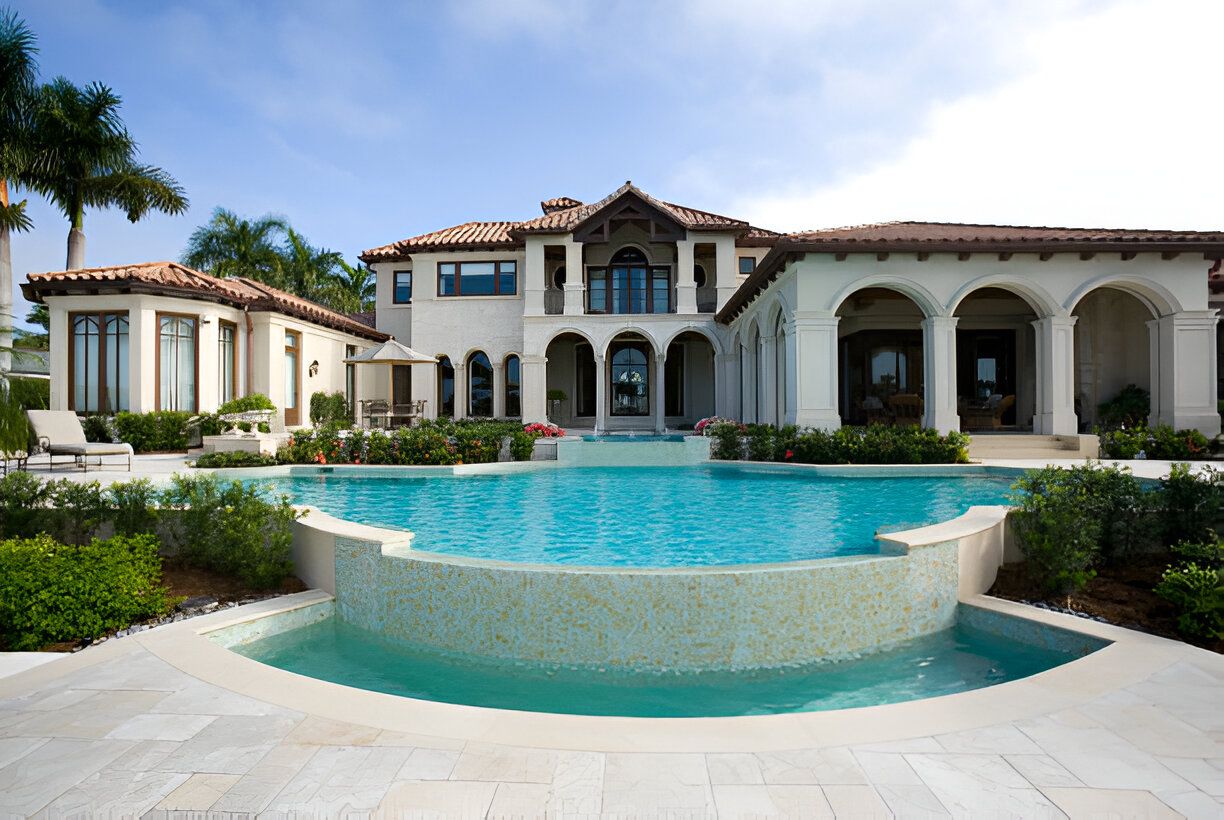
This Nairobis Priciest Suburbs explains the key choices, value factors, and practical details readers need before making a decision. Nairobi’s priciest suburbs in 2026 remain the definitive address for Kenya’s elite, expatriate executives, and high-net-worth investors seeking privacy, security, and enduring value. While the city’s middle-class neighborhoods expand outward along Thika Road and the Southern Bypass, the traditional luxury belt on the northern and western fringes continues to command premiums that leave the rest of the market behind. From the diplomatic grandeur of Gigiri to the colonial-era charm of Muthaiga, these estates are not merely postcodes. Instead, they are ecosystems of wealth, influence, and architectural distinction.
Nairobis Priciest Suburbs: What Defines Nairobi’s Priciest Suburbs in 2026?
The gap between an upmarket estate and an ordinary one comes down to a combination of factors that buyers are willing to pay a fortune for. In Nairobi, those factors are remarkably consistent across the top tier.
Land scarcity and plot sizes. Most of these suburbs sit on former coffee farms and colonial grants, meaning individual plots range from half an acre to several acres. In Muthaiga and Runda, subdividing is tightly controlled, which keeps supply artificially low and prices artificially high.
Security infrastructure. A high perimeter wall, electric fencing, and a manned gate are basic expectations. Estates like Nyari and Loresho add neighborhood associations, private patrols, and road closures that effectively turn entire streets into gated compounds.
Diplomatic and corporate proximity. Gigiri hosts the United Nations headquarters in Africa, while Karen and Muthaiga sit within easy reach of embassies, international schools, and the central business district. Time saved on the commute translates directly into property value.
Lifestyle amenities. Golf courses, equestrian centers, private clubs, and mature tree canopies all play a role. The greener and quieter the environment, the higher the asking price.
Architectural pedigree. In these suburbs, a generic townhouse is a liability. Buyers expect bespoke architecture — think sprawling bungalows, glass-and-stone villas, and landscaped gardens designed by established firms.
Nairobis Priciest Suburbs: Muthaiga: The Old-Money Standard
Muthaiga is the oldest and most storied of Nairobi’s luxury addresses. Anchored by the Muthaiga Country Club and the State House vicinity, it retains a distinctly colonial atmosphere of wide avenues and ancient trees. Properties here rarely come to market, and when they do, they are often sold off-market to buyers who have been waiting for years. In 2026, a well-maintained five-bedroom home on an acre in Muthaiga can comfortably exceed KSh 200 million, with renovated mansions reaching far higher.
Nairobis Priciest Suburbs: Gigiri and Runda: Diplomacy and Discretion
Gigiri and neighboring Runda form the diplomatic heartland. Gigiri’s proximity to the UN complex makes it the first choice for ambassadors, senior UN officials, and multinational executives. Runda, just minutes away, offers larger plots and a village-like calm, with the Runda Club and the Italian Embassy adding to its prestige. Rental yields in these two suburbs are among the strongest in the city, driven by embassies that sign multi-year leases and pay in foreign currency.
Karen and Kitisuru: Space, Stables, and Status
Karen, named after Karen Blixen, remains the darling of families who want space without leaving the city. Two-acre plots, horse stables, and the Karen Country Club define the lifestyle. Kitisuru, on the other side of the Waiyaki Way ridge, has emerged as a slightly more modern alternative, attracting tech entrepreneurs and younger millionaires who prefer contemporary architecture and closer access to Westlands and the expressway.
Loresho, Lavington, and Nyari: The Sophisticated Middle Crown
These three suburbs occupy the sweet spot between exclusivity and convenience. Lavington is the most cosmopolitan, with apartment developments and townhouses that still command luxury pricing thanks to proximity to Lavington Mall and international schools. Loresho offers a quieter, low-density feel with views toward the Ngong Hills. Nyari, tucked between Runda and Rosslyn, is small but fiercely prestigious, with compounds that rarely change hands.
Why Prices Keep Rising
Three forces are pushing Nairobi’s priciest suburbs even higher in 2026. First, infrastructure — the Nairobi Expressway and the Western Bypass have cut travel times from the western suburbs to the CBD dramatically. Second, currency hedging — wealthy Kenyans and diaspora buyers treat prime land as a dollar-linked store of value. Third, limited supply — there is simply no more land to develop in Muthaiga or Nyari, so demand spills into Runda, Kitisuru, and Loresho, lifting all boats.
The Outlook for Luxury Real Estate
For buyers, the lesson is clear: Nairobi’s luxury market rewards patience and discretion. Off-market deals, long-standing relationships with estate agents, and a willingness to renovate rather than rebuild are the keys to entering these suburbs. For sellers, the premium is real but not automatic — a poorly maintained home in a prestigious estate can sit for years, while a beautifully finished one may attract multiple offers within weeks. In 2026, the address gets you in the door, but the quality of the property decides the price.
To understand the wider forces at play, see our guide on what factors determine property values in Kenya. For a broader view of the luxury market, explore Kenya’s Golden Hexagon of luxury real estate. According to the Kenya National Bureau of Statistics, real estate remains a key driver of GDP, underscoring the sector’s resilience.

Last updated:
