
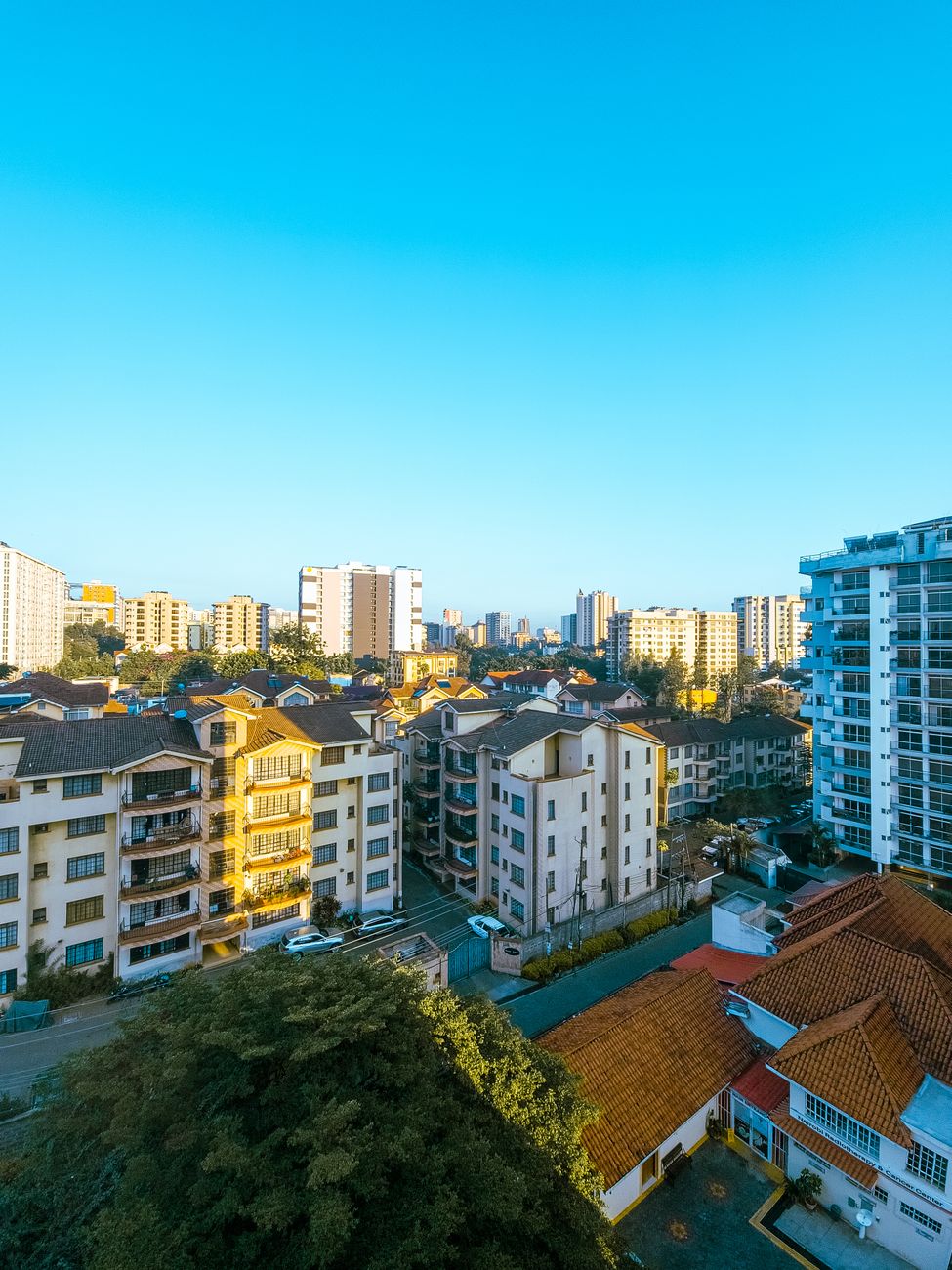
Nairobi real estate investment continues to attract both local and diaspora investors seeking stable, high-yielding assets in one of Africa’s most dynamic property markets. As Kenya’s capital consolidates its position as a regional hub for finance, technology, and logistics, demand for residential, commercial, and mixed-use property keeps climbing. For anyone planning to commit capital during the 2026–2027 window, understanding where returns come from, which corridors are growing fastest, and how to structure a deal for optimal profit is essential. This guide breaks down the fundamentals, the numbers, and the strategy behind a successful Nairobi real estate investment.
Nairobi Real Estate Investment: Why Nairobi Remains a Prime Property Market
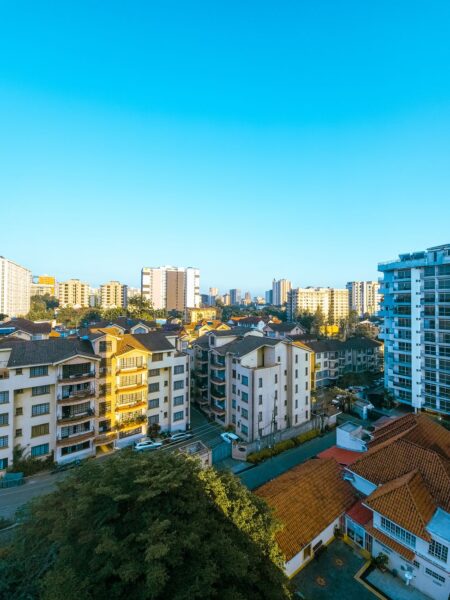
Nairobi’s appeal rests on a combination of economic weight and structural supply shortages. The city contributes a significant share of Kenya’s GDP and hosts the regional headquarters of multinational corporations, development agencies, and a fast-growing fintech sector. Consequently, that concentration of economic activity sustains demand for office space, serviced apartments, and family homes.
At the same time, formal housing supply has not kept pace with urbanization. Kenya’s annual housing deficit is estimated in the hundreds of thousands of units, with Nairobi absorbing a large share of that shortfall. When demand persistently outruns supply, rents and capital values tend to hold firm even during broader economic softness.
Three additional drivers matter for the 2026–2027 outlook:
- Infrastructure spending. Road expansions, the expressway network, commuter rail improvements, and water projects are opening up satellite towns and reducing commute times.
- Diaspora remittances. Billions of shillings flow into Kenya each year, and a meaningful portion is directed into land and housing, supporting prices in both prime and mid-tier segments.
- Currency and inflation dynamics. Real assets have historically served as an inflation hedge, which keeps property attractive when the shilling is volatile.
Key Nairobi Real Estate Investment Corridors for 2026–2027
Location selection is the single biggest determinant of returns. The following corridors deserve close attention.
Nairobi Real Estate Investment: Westlands and Parklands
Westlands remains the commercial heart of the city, with Grade A office space, upscale retail, and a dense concentration of apartments. Yields here are moderate by Nairobi standards but tenant quality is high and vacancy risk is lower. Parklands, adjacent to Westlands, offers slightly cheaper entry points with strong rental demand from professionals. For a closer look at available options, browse property for sale in Westlands, Nairobi.
Kilimani, Kileleshwa, and Lavington
This cluster is the backbone of Nairobi’s mid-to-upper residential rental market. Kilimani and Kileleshwa have seen a surge in apartment supply, which has moderated rent growth, but well-managed, well-located units still achieve gross yields in the 7–10 percent range. Lavington appeals to families and commands premium rents for townhouses and larger units. You can also explore property for sale in Kilimani, Nairobi to compare current listings.
Runda, Karen, and Rosslyn
The prime suburban belt targets high-net-worth tenants and buyers. Capital appreciation here is driven by land scarcity and prestige rather than rental yield. Expect lower gross yields but stronger long-term value growth, particularly for gated developments with reliable utilities and security.
Ruiru, Juja, and Kamakis
Eastern corridors along the Thika Superhighway and the new expressway connections have become hotspots for affordable and mid-income housing. Land prices are lower, and demand from young families and university staff is consistent. These areas suit investors prioritizing volume and cash flow over prestige.
Syokimau, Mlolongo, and Athi River
The southern corridor benefits from proximity to the SGR terminus, the airport, and industrial zones. Serviced apartments and bed-sitter blocks perform well, with strong occupancy from logistics workers and travelers.
Kiambu Road and Kiambaa
Ongoing road upgrades have turned Kiambu Road into a sought-after residential address. Townhouse developments and gated communities here attract buyers seeking space without moving too far from the city center.
Understanding Investment Returns in Nairobi Real Estate
Returns in Nairobi property come from three sources: rental income, capital appreciation, and, in some cases, development profit.
Rental yields. Gross yields vary widely by segment. Affordable and mid-income apartments in satellite towns can reach double digits, while prime areas typically deliver 5–8 percent. Net yields are lower after accounting for service charge, vacancy, maintenance, and management fees, so always model these costs.
Capital appreciation. Land in growth corridors has historically appreciated faster than built property. Well-timed land purchases near new infrastructure can deliver substantial gains over a five-to-ten-year horizon.
Development profit. Buying land, building, and selling or renting completed units can generate the highest returns, but it carries execution risk. Construction cost inflation, delays, and regulatory approvals must be factored into feasibility studies.
A realistic blended return target for a diversified Nairobi portfolio is 10–15 percent annually when income and appreciation are combined and the asset is held for at least five years.
How to Achieve Optimal Returns in 2026–2027
Optimal returns rarely come from buying the most expensive property or the cheapest land. They come from disciplined execution.
- Do thorough due diligence. Confirm title deeds through official land searches, verify rates and rent charges, and check for encumbrances before paying any deposit.
- Buy where infrastructure is going, not where it already arrived. Expressway links, bypasses, and planned commuter lines are leading indicators of price growth.
- Match the unit to the tenant. Studios and one-bedroom units rent faster in student and young-professional zones. Three-bedroom units and townhouses perform better in family suburbs.
- Control costs. Service charges and management fees erode returns. Choose developments with transparent, well-governed management committees.
- Use leverage carefully. Mortgage rates in Kenya can be high. Borrow only when the rental income comfortably covers repayments with a buffer.
- Plan for the exit. Decide upfront whether you are holding for income, flipping after development, or passing the asset to the next generation. Each strategy requires different timing and tax planning.
Risks to Watch
No investment guide is complete without the downside. Nairobi property faces risks from oversupply in specific micro-markets, prolonged approval processes, construction cost escalation, and currency fluctuations affecting diaspora investors. Liquidity can also be a challenge—selling land or property may take months. Mitigate these by diversifying across locations and asset types, and by keeping adequate cash reserves.
Final Thoughts
Nairobi real estate investment in 2026–2027 offers genuine opportunity for investors who combine local knowledge with disciplined analysis. The city’s growth fundamentals, infrastructure pipeline, and persistent housing shortage create a favorable backdrop, but success depends on choosing the right corridor, structuring costs correctly, and holding with a clear strategy. Whether you target rental yield in Ruiru, capital growth in Kiambu Road, or prestige appreciation in Karen, the investors who research thoroughly and act decisively will be best positioned to capture optimal returns. For a broader view of the market, see this Kenya National Bureau of Statistics data on housing and inflation.

Last updated:
