

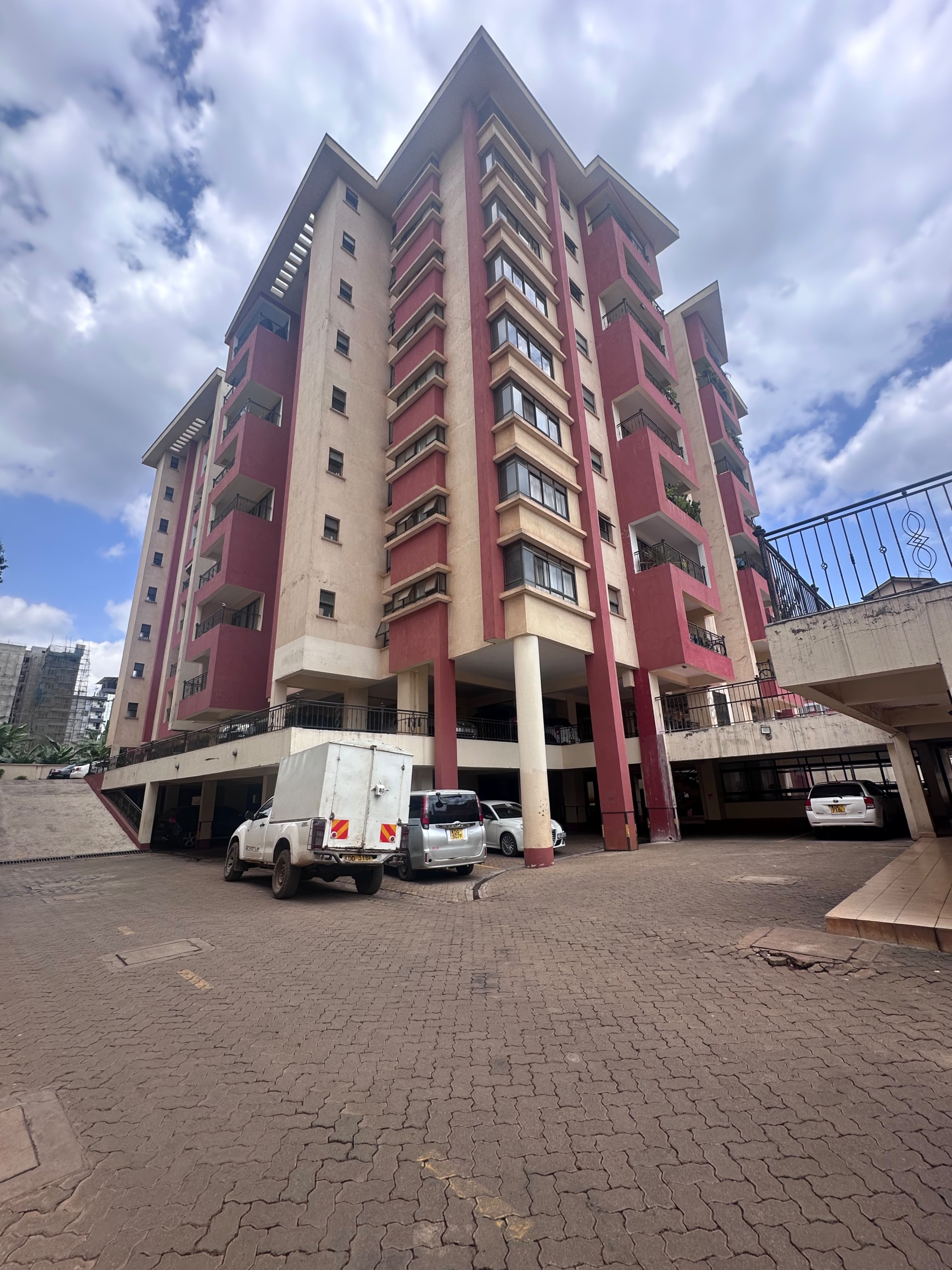
Understanding Apartments Rental Yield in Nairobi: A Strategic Investment Guide for 2026
Apartments remain the most dynamic and resilient asset class in Nairobi’s real estate market, offering investors a mix of steady cash flow and long-term capital appreciation. As we look toward 2026, the landscape is shifting: supply is rising in certain segments, while demand is becoming increasingly niche-driven. Whether you are a first-time investor or a seasoned portfolio manager, understanding which apartment type and location deliver the highest rental yield is critical. This guide breaks down the specific sub-markets—from studios to student housing and serviced units—and provides an actionable roadmap for where to invest your capital in the coming year.
The State of Nairobi’s Rental Market in 2026
Nairobi’s apartment market is no longer a monolithic landscape. Post-pandemic work patterns, rising construction costs, and a growing population of young professionals and students have fragmented demand. Gross rental yields across the city currently average between 6% and 9%, but this figure can vary wildly depending on the unit type, location, and management strategy. In 2026, the key drivers will be decentralization (demand moving away from the CBD to satellite towns), the quality of finishes, and the rise of purpose-built rental housing. Investors who ignore these trends risk holding properties with low occupancy rates and stagnant yields.
Studio Apartments: High Occupancy, Lower Ticket Size
For investors with a moderate budget, studio apartments offer one of the most attractive entry points into the Nairobi market. Typically found in upscale areas like Kilimani, Lavington, and parts of Westlands, studios appeal to single professionals and digital nomads. The rental yield on a well-located studio can range from 8% to 11% gross. Why? Because the purchase price is lower (often between KES 4 million and KES 7 million), while monthly rents range from KES 25,000 to KES 45,000.
Where to invest in 2026: Focus on areas with high foot traffic and proximity to co-working spaces. Units that include a dedicated workspace and high-speed internet infrastructure command a 10–15% premium. Avoid oversupplied zones like Upper Hill for studios, unless you can offer luxury finishes.
One Bedroom Apartments: The Sweet Spot for Yield and Liquidity
One-bedroom apartments are arguably the most balanced investment in Nairobi. They attract a broad tenant base—couples, diplomats, and senior professionals—while remaining relatively affordable to purchase. Gross yields for one-bedroom units in prime locations typically sit at 7–9%. The key advantage is liquidity: these units sell faster and rent instantly if priced correctly.
Where to invest in 2026: Target neighborhoods experiencing infrastructure upgrades. Kileleshwa, Hurlingham, and new developments along Thika Road (like Garden City) offer strong yield potential. One-bedroom units near international schools (e.g., Rosslyn or Braeburn) also enjoy year-round demand. Aim for units with parking and a balcony—these features significantly reduce vacancy periods.
Two Bedroom Apartments: Family Demand and Rental Stability
The two-bedroom segment remains the workhorse of Nairobi’s rental market. With a purchase price ranging from KES 9 million to KES 18 million in middle-income zones, gross yields settle between 6% and 8%. However, stability is the real prize. Families tend to sign longer leases (12–24 months) and are less likely to default on rent than single tenants.
Where to invest in 2026: Look for areas with good schools and easy access to shopping centers. Runda, Ridgeways, and parts of Lang’ata (near Carnivore) are excellent choices. Avoid buying two-bedroom units in highly densified zones like South B and South C unless the building has dedicated amenities like a gym or children’s play area. Newer developments with two dedicated parking slots also hold value better.
Three Bedroom Apartments: Premium Play, Careful Execution
Three-bedroom apartments cater to affluent families and expatriates. While the headline yield may appear lower (5–7%), the absolute rental income is significantly higher—often KES 120,000 to KES 250,000 per month. The challenge is the higher vacancy risk: a three-bedroom unit can sit empty for 2–3 months if overpriced or in a less desirable location.
Where to invest in 2026: Focus exclusively on established luxury nodes like Gigiri, Muthaiga, and Spring Valley. Also consider emerging suburbs like Tatu City or the new master-planned communities along the Northern Bypass. For maximum yield, invest in a unit that can be split into a home-office layout or offers a servant’s quarter—this flexibility is highly valued by diplomats.
Student Housing: Purpose-Built, High Turnover, Higher Yield
Student housing remains one of the highest-yielding apartment sub-segments in Nairobi, with gross yields often exceeding 12–15%. However, it requires active management and high tenant turnover. The market has matured beyond simple bedsitters near universities. Purpose-built student apartments with single rooms, shared kitchens, and secure access are now the norm.
Where to invest in 2026: Target universities with growing enrollment and limited on-campus accommodation. Zones around the University of Nairobi (Kikuyu campus), Kenyatta University (Kahawa), and Strathmore University (Madaraka) offer strong demand. However, be cautious of oversupply—areas around JKUAT and Moi University now have more beds than students. The best investment is a small, modern block (12-30units) near a private university that lacks dormitory facilities.
Serviced Apartments: Short-Stay, High Maintenance, High Reward
Serviced apartments in Nairobi have rebounded strongly after the pandemic. With the return of business travel and conferences, units in Kilimani, Westlands, and Upper Hill now command nightly rates of KES 8,000 to KES 20,000. Gross yields on serviced apartments can reach 14–18% if occupancy stays above 70%. However, operating costs (cleaning, utilities, marketing) eat into 30–40% of revenue.
Where to invest in 2026: Focus on units within a 5km radius of key business hubs (e.g., UN offices in Gigiri, World Bank in Upper Hill, or the Kenya Revenue Authority headquarters). A well-designed serviced apartment with a kitchenette and soundproof windows will outperform a similar unit in an area like Lang’ata. Also consider partnering with a professional management company to handle bookings and cleaning—this frees you to focus on scaling your portfolio.
Final Verdict: Where to Put Your Money in 2026
There is no single “best” apartment type for every investor. For those seeking cash flow, student housing in a correctly chosen location offers the highest risk-adjusted returns. For capital preservation and steady rental income, one-bedroom and two-bedroom apartments in established suburbs remain the safest bets. And for investors with a higher risk tolerance and access to good management, serviced apartments in business hubs can deliver exceptional yields.
In summary, apartments in Nairobi are not a one-size-fits-all investment. The winners in 2026 will be those who match the unit type precisely to the micro-location and tenant demand. Avoid the temptation to buy simply because a project offers a discount. Instead, calculate net yield (after fees, maintenance, and vacancy), visit the neighborhood at different times of day, and talk to existing tenants. That diligence will separate a profitable portfolio from a cash-burning liability.