
Kenya’s diverse and beautiful landscapes hold a puzzle that has long perplexed its citizens and policymakers alike – the intricate world of land ownership and titles. For the average Kenyan, the concept of owning a piece of this nation is often clouded by bureaucracy, historical grievances, and a labyrinth of legal jargon. Whether you are a first-time buyer in a bustling city like Nairobi or a farmer in a rural county, the journey to secure a title deed can feel like navigating a maze without a map. In this article, we seek to explain the complexities of Kenya’s land laws, exploring how ownership is established, and the various types of titles that govern land transactions in the country. By demystifying these processes, we aim to equip you with the foundational knowledge necessary to protect your most valuable asset.
Understanding the Historical Context of Land Ownership in Kenya
Land in Kenya has always held immense value, not just economically, but also culturally and socially. The intricate web of ownership and titles has been shaped by a long and tumultuous history that continues to impact the country to this day. To truly understand the present system, one must look back at the forces that created it. One key aspect to consider is the colonial legacy in Kenya, where land was forcefully taken from indigenous communities and redistributed to European settlers. This led to a system of land tenure that favored the colonizers, leaving many Kenyans disenfranchised and marginalized. The introduction of individual title deeds during this era replaced communal land holding systems, creating a fundamental shift in how land was perceived and managed.
Additionally, the post-independence period saw further challenges as the government implemented land reforms that aimed to address historical injustices but often resulted in confusion and disputes over rightful ownership. The willing buyer, willing seller policies and the issuance of title deeds in the 1960s attempted to rectify the imbalance, but they also opened the door for land grabbing and corrupt practices. This historical baggage is why many land disputes in Kenya today are not just about legal boundaries but about deep-seated historical grievances. Understanding this context is crucial for anyone looking to purchase land, as it explains why some titles may be contested years after they were issued.
The Complexities of Land Titling in Kenya
Land titling in Kenya is a complex and challenging process that often leaves many individuals grappling with ownership disputes and legal battles. One of the main challenges is the lack of a centralized land registry system, which leads to confusion and inconsistencies in land ownership records. While the government has made strides toward digitization with the National Land Information Management System (NLIMS), the transition has been slow, and many records are still missing or inaccurate. This creates fertile ground for fraud, where individuals may be sold land that is already owned by someone else—often with a fake or forged title deed.
Furthermore, the prevalence of informal land transactions and the existence of multiple types of land titles further complicate the issue. Many Kenyans, particularly in rural areas, still rely on verbal agreements or letters of allotment that have not been properly registered. These informal arrangements pose significant risks, as they do not hold the same legal weight as formal titles. Some of the common land titles in Kenya include freehold titles, leasehold titles, and group ranch titles. Each type comes with its own set of rules and regulations, making it difficult for individuals to navigate the system. For instance, a freehold title grants the owner indefinite ownership, while a leasehold—typically issued for 99 years—means the land reverts to the government upon expiry. Group ranch titles, often found in pastoralist areas, are held communally and require specific consent from the group before transactions can occur. It is important for landowners to seek legal advice and conduct thorough research—including conducting a search at the lands office and verifying the physical location of the land—to ensure that their land titles are legitimate and accurately reflect their ownership rights.
Navigating the Registration Process and Land Laws
The path to obtaining a title deed involves several steps, each governed by specific land laws, including the Land Registration Act, the National Land Commission Act, and the Land Act. The process begins with the identification of the land and the verification of the seller’s ownership. Once a sale agreement is signed, the buyer must apply for the consent of the Land Control Board (LCB) if the land is agricultural. This board is responsible for ensuring that land transactions are in the interest of the local community. After the LCB consent is granted, the documents are lodged at the lands office where an advocate or a licensed conveyancer conducts a search to confirm there are no existing encumbrances, such as caveats or charges.
After the payment of stamp duty—which is a percentage of the land’s value—the title deed is finally registered in the buyer’s name. However, this seemingly straightforward process is often fraught with delays. In some cases, a transaction can take months or even years to complete due to bottlenecks in the ministry. The court system also plays a significant role, as many titles are disputed in the Environment and Land Court. This legal complexity underscores the need for due diligence. Engaging a reputable advocate is not just a formality but a necessity to ensure compliance with the myriad of land laws that govern the transfer of ownership. Without proper legal guidance, buyers risk entering into void contracts that can lead to financial ruin.
The Role of Technology in Simplifying Land Ownership Processes
Technology has played a pivotal role in revolutionizing the way land ownership processes are carried out in Kenya. With the rapid expansion of urban centers and the increasing demand for land, manual systems have proven inadequate. By digitizing records and implementing online platforms, the government has made it easier for citizens to access information regarding land ownership and titles. This has not only simplified the process but has also significantly reduced cases of fraud and corruption in the land sector. Citizens can now log onto platforms like Ardhisasa to check the authenticity of a title deed, initiate transactions, and even pay relevant fees online.
One of the key advancements in technology that has streamlined land ownership processes in Kenya is the introduction of blockchain technology in pilot programs. Through blockchain, land transactions are securely recorded, ensuring transparency and security for all parties involved. The immutable nature of blockchain ledgers makes it incredibly difficult to alter records retroactively, which deters fraudulent activities. Additionally, mobile applications have been developed to provide real-time updates on land ownership status, making it easier for individuals to verify title deeds and conduct due diligence before making any land transactions. This digital shift is not without its challenges—such as the digital divide where older generations or rural populations may lack the tech-savvy to use these systems—but the trajectory is positive. With technology at the forefront, Kenya is gradually unlocking the land puzzle and paving the way for a more efficient and accountable land ownership system.
Recommendations for Improving Land Administration in Kenya
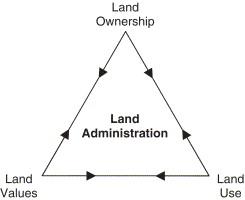
Improving land administration in Kenya requires a multifaceted approach that addresses various issues in ownership and title management. One key recommendation is to implement a centralized database that consolidates all land records, making it easier to verify ownership and transfer of titles. While the current systems are moving toward this, the integration of all historical data is still incomplete. This database should be easily accessible to the public and updated regularly to ensure accuracy. Additionally, the government should invest in digitizing land records to streamline processes and reduce the risk of corruption and fraud. This also includes the establishment of a robust mechanism for resolving the existing backlog of boundary disputes.
Another recommendation is to enhance public awareness and education on land rights and ownership. This can be achieved through workshops, community outreach programs, and the development of educational materials that simplify complex land laws for the general population. Many Kenyans are unaware of their rights or the specific obligations that come with holding a title. By empowering citizens with knowledge about their land rights, they can better advocate for themselves and hold accountable any entities that engage in fraudulent land transactions. Furthermore, the government should fast-track the process of issuing title deeds to those in informal settlements and the coastal region, where many residents have waited decades for official recognition of their land. The implementation of these recommendations will not be easy, but they are essential for fostering economic growth and social stability in the country.
Key Takeaways
As we have delved into the intricate world of land ownership and titles in Kenya, it becomes clear that the puzzle is not easily solved. However, with a better understanding of the complexities involved, we are one step closer to unlocking the mystery. The journey from soil to title is fraught with historical, legal, and administrative hurdles, but it is not impossible to navigate. By arming ourselves with knowledge and asking the right questions, we can navigate the terrain of land ownership with confidence and clarity. As we continue on this journey, let us remember that every piece of the puzzle is essential in creating a complete picture of land ownership in Kenya. Let us strive to unravel the mysteries and pave the way for a more transparent and equitable system for all. Whether you are a prospective buyer or a current owner, the key is to remain vigilant, informed, and proactive in securing your rights to the land you call home.

Last updated:
