
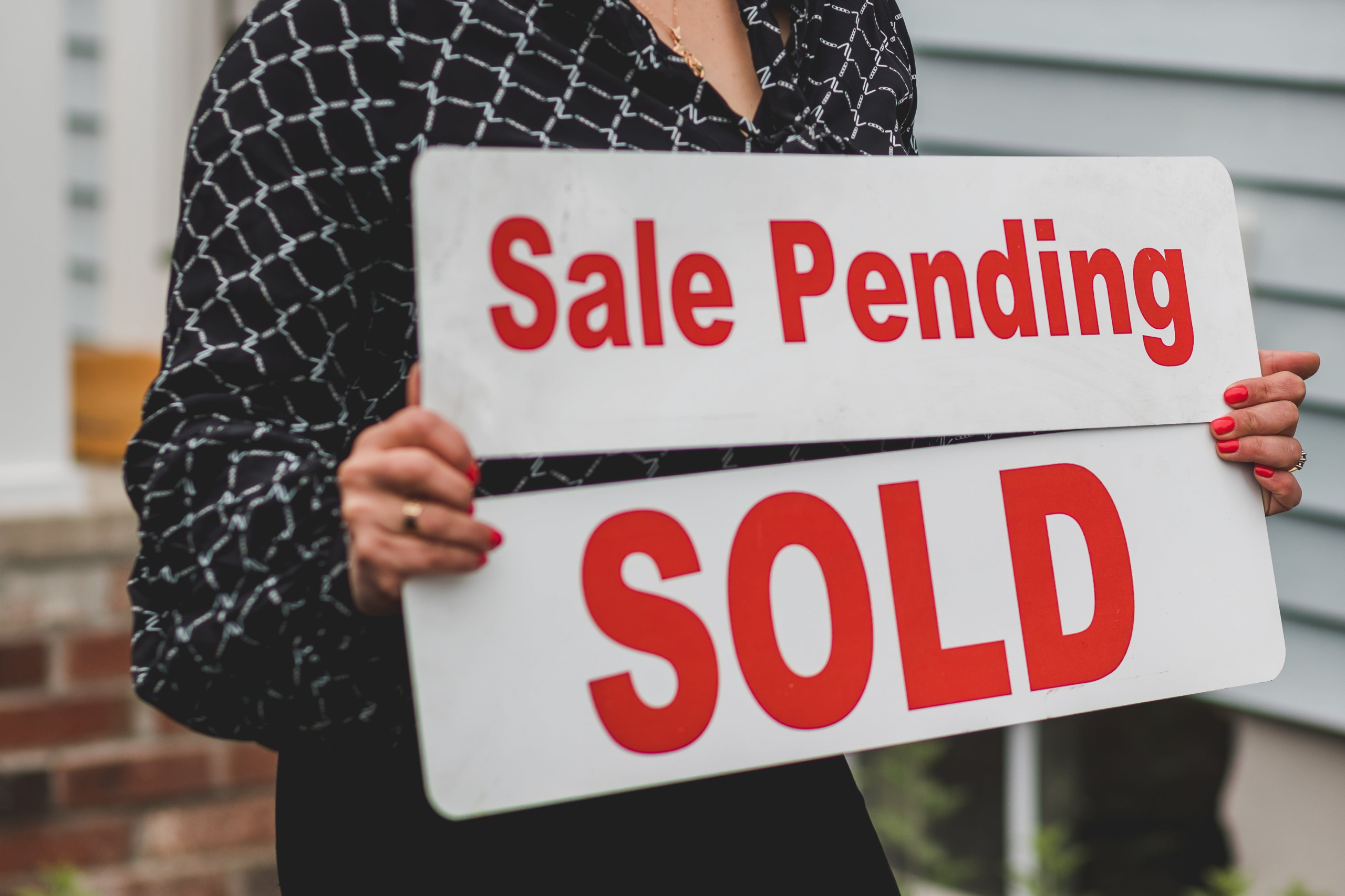
Why your property lingers on the market is a frustrating puzzle that many homeowners face. You’ve cleaned, decluttered, and waited, only to watch the For Sale sign gather dust while neighboring homes seem to move with ease. Selling a property can be a challenging and mysterious process, leaving many sellers feeling confused and defeated. However, the reality is that your property isn’t failing to sell due to bad luck; specific, often elusive factors are actively preventing your property from attracting potential buyers. Shedding light on this enigmatic realm of real estate can transform your frustration into a clear, actionable plan.
Cracking the Code: Revealing the Elusive Factors That Could Be Stifling the Sale of Your Property
When it comes to selling a property, numerous variables come into play that can affect its marketability. While some of these are obvious, others are subtle and easy to overlook. Identifying and understanding these factors is crucial in order to make the necessary adjustments and increase the chances of a successful sale. If your listing has gone stale, it’s time to stop waiting and start diagnosing. Let’s explore some common obstacles that may be hindering the sale of your property and how to dismantle them.
The Price Tag Problem: Why Your Property Appears Overvalued
The most frequent culprit behind a stagnant listing is overpricing. It is an emotional hurdle for many sellers; you have invested years of memories and financial resources into your home, so it naturally feels priceless. Unfortunately, the market does not operate on sentiment. Potential buyers are often wary of properties with inflated price tags, and in a data-driven age, they can easily see when a home is priced 10% or 20% above comparable sales in the area.
When a property is overpriced, you inadvertently narrow your audience to a pool of buyers who are also looking at better-valued alternatives. The longer a home sits at the wrong price, the more stale it becomes in the eyes of buyers, leading to lower offers when you eventually do cut the price. Conducting thorough market research or working with experienced real estate agents can help set an appropriate price that aligns with the market value of your property from day one.
First Impressions: The Downfall of Poor Curb Appeal
You might think buyers are looking for square footage and granite countertops, but the first thing they see is your front yard. First impressions matter immensely. The exterior of your property can make or break a sale before a potential buyer even steps through the threshold. If your property lacks curb appeal—think overgrown shrubs, peeling paint, or a cracked driveway—buyers may subconsciously assume the interior is just as neglected.
This initial visual bias is incredibly difficult to overcome. Fortunately, this is one of the easiest factors to fix. Enhance the landscaping by trimming bushes and adding fresh mulch, repaint the front door to a welcoming color, and make sure the property looks inviting from the outside. A simple $500 investment in exterior aesthetics can add thousands to your final selling price.
Interior Aesthetics: When Clutter and Decor Kill the Deal
While the outside gets them through the door, the interior is what seals the deal. If the décor is stuck in a bygone decade, the layout feels cramped due to oversized furniture, or the rooms are cluttered with personal items, potential buyers may struggle to envision themselves living in the space. Buyers are not just purchasing a structure; they are purchasing a lifestyle.
A cluttered home makes rooms feel smaller and suggests a lack of storage. Instead of seeing the potential of your living room, they see your family photos and personal taste, which distracts them from the property itself. Consider staging the property or making cosmetic upgrades like neutral paint and modern light fixtures to make it more appealing.
The Maintenance Red Flags: Why Buyers Run from Repair Lists
Neglected maintenance is a major turnoff for buyers. In a competitive market, buyers are looking for move-in ready properties, not renovation projects. Leaky faucets, holes in the walls, or broken appliances give the impression that the property has been poorly cared for. Even if the problems are minor, they signal a potential for larger hidden issues, such as plumbing failures or roof damage.
Buyers often fear that if these visible items weren’t fixed, the invisible ones (like insulation or wiring) are likely neglected too. It is essential to address necessary repairs before listing. Pre-inspection reports can also help, as they provide transparency and reassure buyers that the major systems are in working order.
The Invisible Barrier: Inadequate Marketing and Limited Accessibility
You can have the best property on the block, but it won’t sell if people don’t know about it. Inadequate marketing is a silent killer of listings. In today’s digital age, simply putting a sign in the yard is not enough. Insufficient or ineffective marketing can be a significant hurdle.
Utilize various marketing channels, such as high-traffic online listings, active social media campaigns, and professional photography that highlights the best angles and best features. If your photos are dark or taken on a smartphone, you are doing your property a disservice.
Similarly, limited accessibility can deter potential buyers. If you are making it difficult for buyers to view the home—requiring 24-hour notice for every showing or only allowing viewings on weekdays—you are shutting out a massive segment of the market. Ensure that your property is easily accessible for viewings and open houses, including evenings and weekends.
External Forces: Reading the Market Conditions Correctly
Finally, it’s essential to look outside your control. External market conditions can impact the sale of your property just as much as the property itself. In a slow market, with limited demand or an oversupply of similar properties, selling can be more challenging. If interest rates are high, there may simply be fewer qualified buyers competing for your home. In this scenario, the fault lies not with your paint colors, but with the economy.
Consider consulting with a real estate professional to gain insights into current market trends and adjust your strategy accordingly. They can help you determine if you need to hold firm, negotiate on terms like closing costs, or adjust your timeline.
If your property is lingering, take a step back and analyze these factors objectively. By adjusting your price, enhancing your presentation, and expanding your marketing reach, you can turn a stagnant listing into a bidding war. The key is to be proactive, not passive, in uncovering why your property is being overlooked.

Last updated:
