

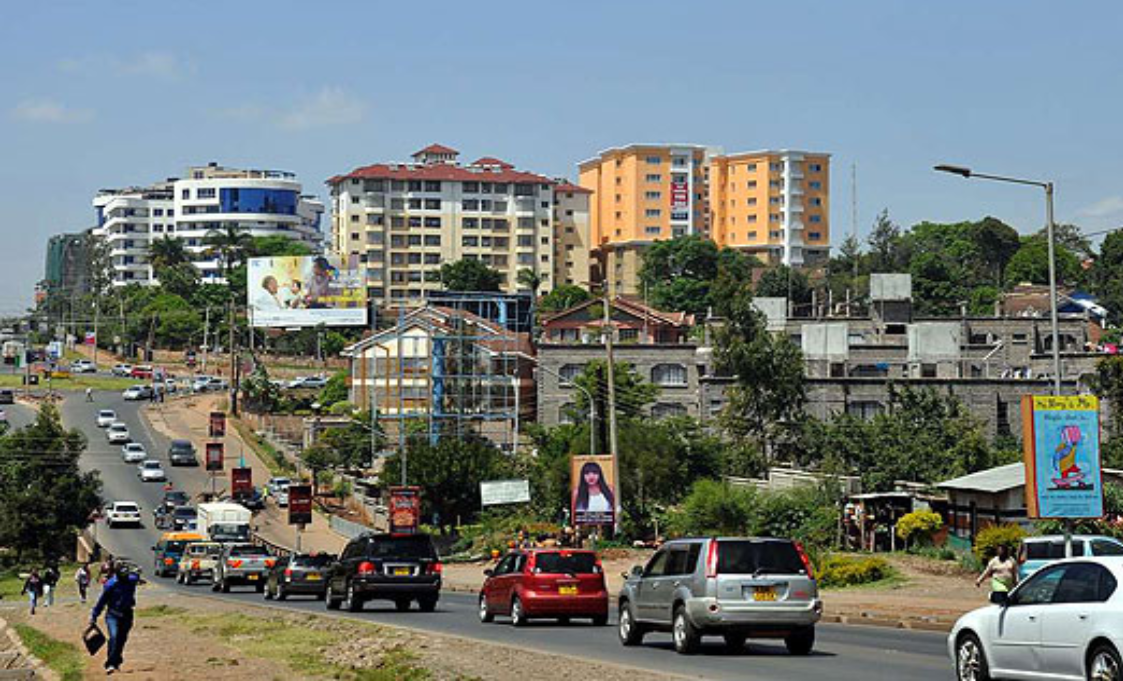
Kileleshwa is undergoing a remarkable transformation, and the once-sleepy suburb is now defined by the unmistakable silhouette of cranes and concrete skeletons reaching for the sky. The proliferation of high-rise apartments is not just a construction trend; it is a fundamental reshaping of the neighborhood’s identity. Over the past decade, this prime residential area, nestled conveniently close to Nairobi’s Central Business District, has pivoted from its traditional low-rise charm to a denser, more contemporary urban form. This shift has been met with both excitement and skepticism, as developers and investors capitalize on the acute scarcity of horizontal space, setting the stage for a new era of vertical living that is set to redefine the skyline and the very fabric of the community.
The Driving Forces Behind the High-Rise Apartment Boom in Kileleshwa
The surge in high-rise development is primarily a response to economic and spatial pressures. With land prices in Kileleshwa reaching a premium, the logical financial decision is to build upwards rather than outwards. This vertical approach maximizes land utilization and return on investment, allowing developers to create multiple residential units on a single plot. For the buyer, this strategy offers a more affordable entry point into this prestigious neighborhood than a standalone house, which has become an unattainable dream for many middle-class families. The influx of investors eager to tap into the area’s lucrative real estate market has fueled this construction boom. This vertical expansion also facilitates the optimal use of shared amenities and communal spaces within the estates, creating self-contained communities that cater to a modern lifestyle where convenience and security are paramount.
How High-Rise Apartments in Kileleshwa Are Reshaping Demographics
The proliferation of high-rise apartments in Kileleshwa has fundamentally altered the demographic makeup of the estate. Traditionally known for its large bungalows that housed established, often older, families, Kileleshwa now boasts a vibrant mix of young professionals, dual-income couples, and even retirees seeking a convenient, low-maintenance lifestyle. The appeal of locking-and-leaving security, combined with modern amenities, has drawn a diverse range of residents who value their time and privacy. This demographic shift has injected new life into the local economy, driving significant demand for goods and services. Cafés, boutique gyms, convenience stores, and service providers have flourished, transforming the estate into a more dynamic and self-sustaining hub. The change in demographics has fostered a new sense of community among residents who share similar lifestyles and aspirations, making the area more cosmopolitan and energetic than ever before.
The Allure of Modern Amenities and Design in Vertical Living
Vertical living, as epitomized by the high-rise buildings in Kileleshwa, offers numerous advantages that appeal to modern homeowners. One of the most compelling draws is the spectacular panoramic views of Nairobi’s skyline and the surrounding greenery of the Karura Forest, transforming living spaces into awe-inspiring abodes. Beyond the vistas, residents enjoy a range of shared amenities that were once the preserve of exclusive resorts. Features such as temperature-controlled swimming pools, fully-equipped gyms, rooftop gardens, and even concierge services have become standard in these new developments, making high-rise living a truly luxurious and convenient experience. Furthermore, the compact nature of these apartments allows for efficient space utilization, with well-designed layouts that maximize both storage and living areas. This emphasis on smart design and minimalistic living is particularly attractive to young professionals who value a turnkey lifestyle. For those seeking safety, secure parking spaces and 24/7 security within gated high-rise estates provide an unmatched sense of peace of mind in a bustling city.
Infrastructure, Sustainability, and the Green Evolution
The rapid proliferation of high-rise apartments in Kileleshwa has necessitated significant improvements in supporting infrastructure and services. Road networks have been enhanced to accommodate increased traffic flow, while water supply and sewer systems have been upgraded to meet the demands of a growing vertical population. To serve this new density, shopping centers and modern medical facilities have emerged, ensuring that all essentials are within easy reach. As Kileleshwa embraces this vertical transformation, there is a growing emphasis on sustainability. Developers are increasingly incorporating eco-friendly features like solar panels for common-area lighting, rainwater harvesting systems for irrigation, and energy-efficient appliances to minimize the ecological footprint of these large structures. Green spaces, such as landscaped rooftop gardens and pocket parks within the estates, have become integral components, providing residents with a vital connection to nature amidst the urban density and contributing to a healthier, more sustainable living environment.
Challenges and the Road Ahead for Vertical Living
While the high-rise boom in Kileleshwa presents a promising future, it is not without its challenges and concerns. Increased congestion and traffic, particularly during peak hours, has become a point of contention for both new and old residents. The strain on existing public utilities, such as the power grid and water pressure, is also a growing concern for local authorities. Moreover, the potential for unchecked development raises questions about resource allocation and the preservation of the neighborhood’s character. There is a delicate balance to be struck between modernization and maintaining a high standard of living for all residents. The future of Kileleshwa hinges on how these challenges are managed, requiring a collaborative effort between developers, residents, and the county government to ensure that the area’s infrastructure evolves in tandem with its skyline. While challenges may arise, the transformation of Kileleshwa into a vibrant vertical neighborhood is a testament to the ever-evolving cityscape of Nairobi, proving that the neighborhood is not just growing, but actively redefining what it means to live in the city.